The Two Models at a Glance
Model | Price | Weight | Controller needed | Standout feature |
|---|---|---|---|---|
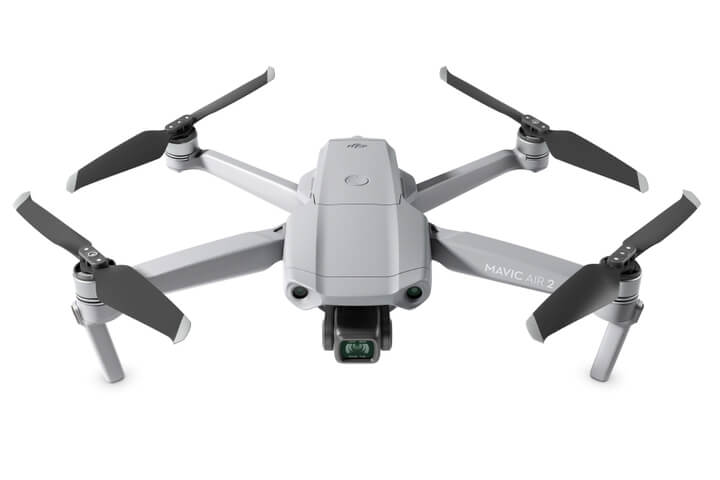
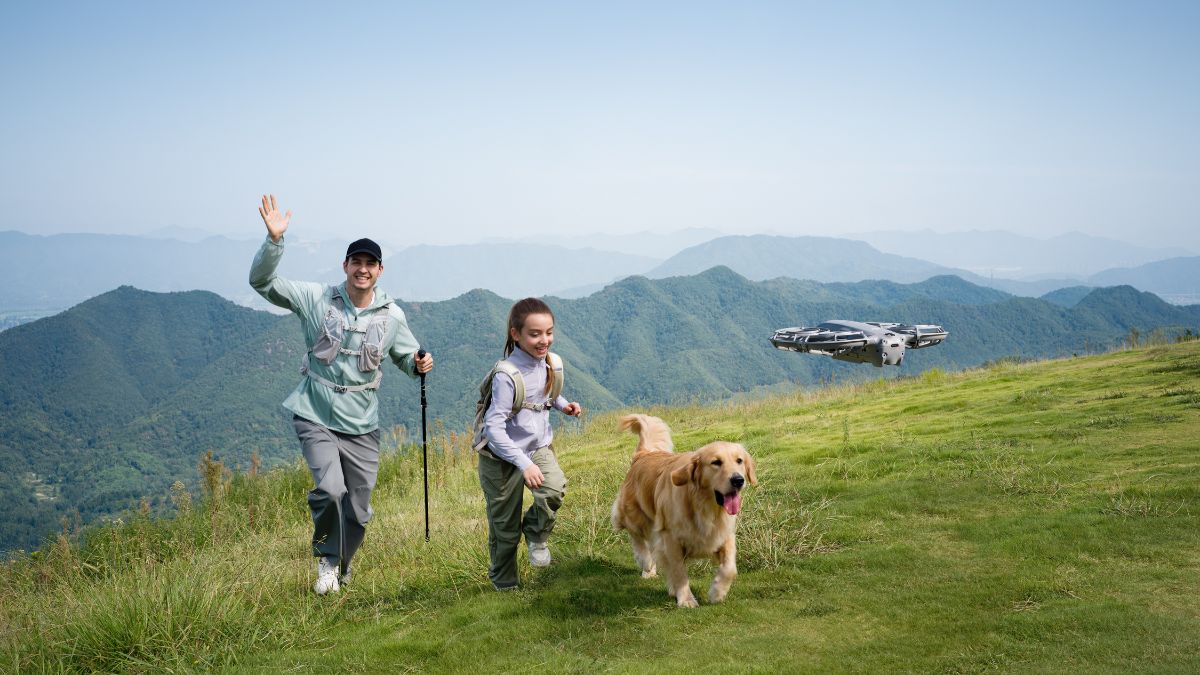
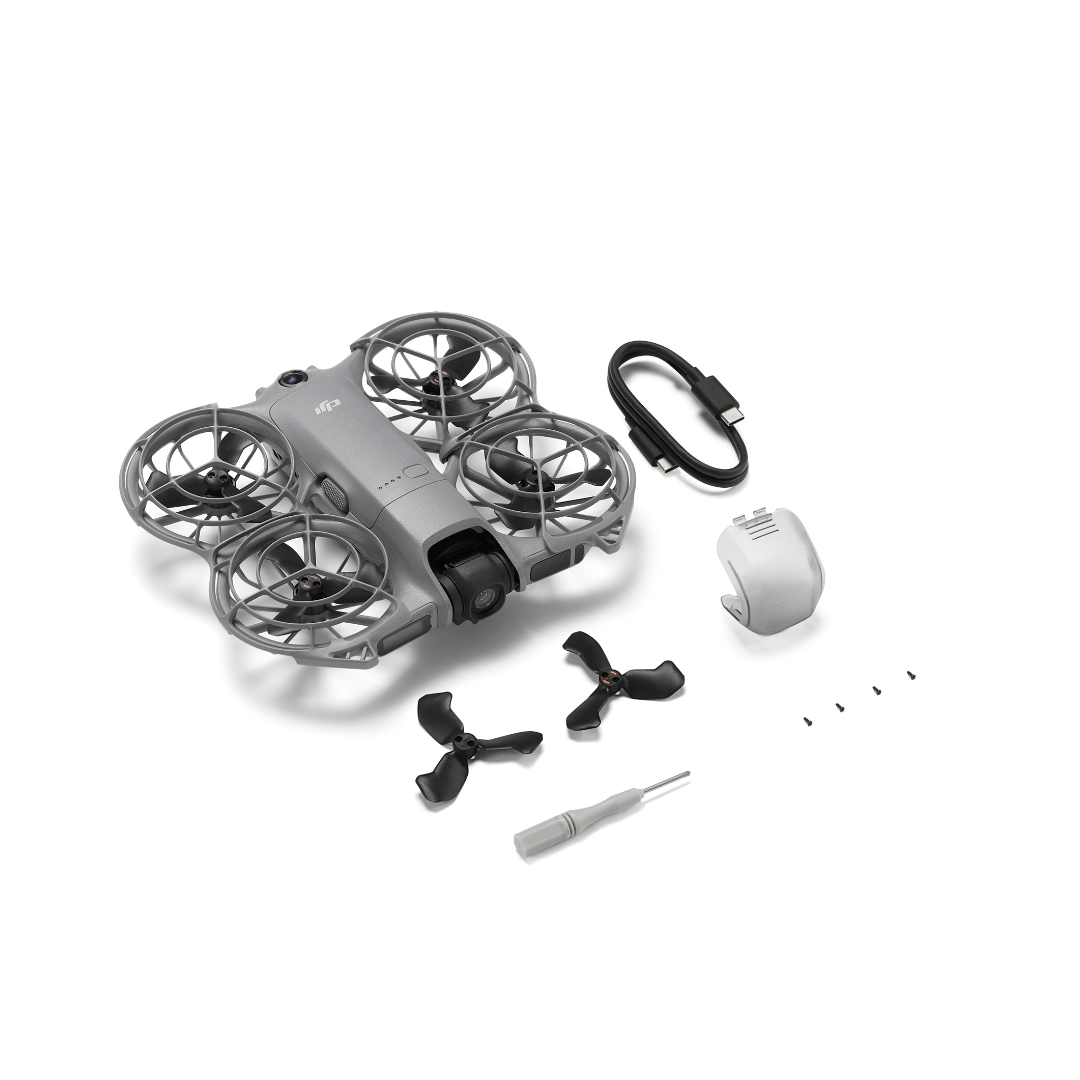
DJI Neo 2 | £209.00 | 151g (160g with O4 transceiver) | No, palm takeoff and subject tracking | Flies its basic modes without a controller at all |
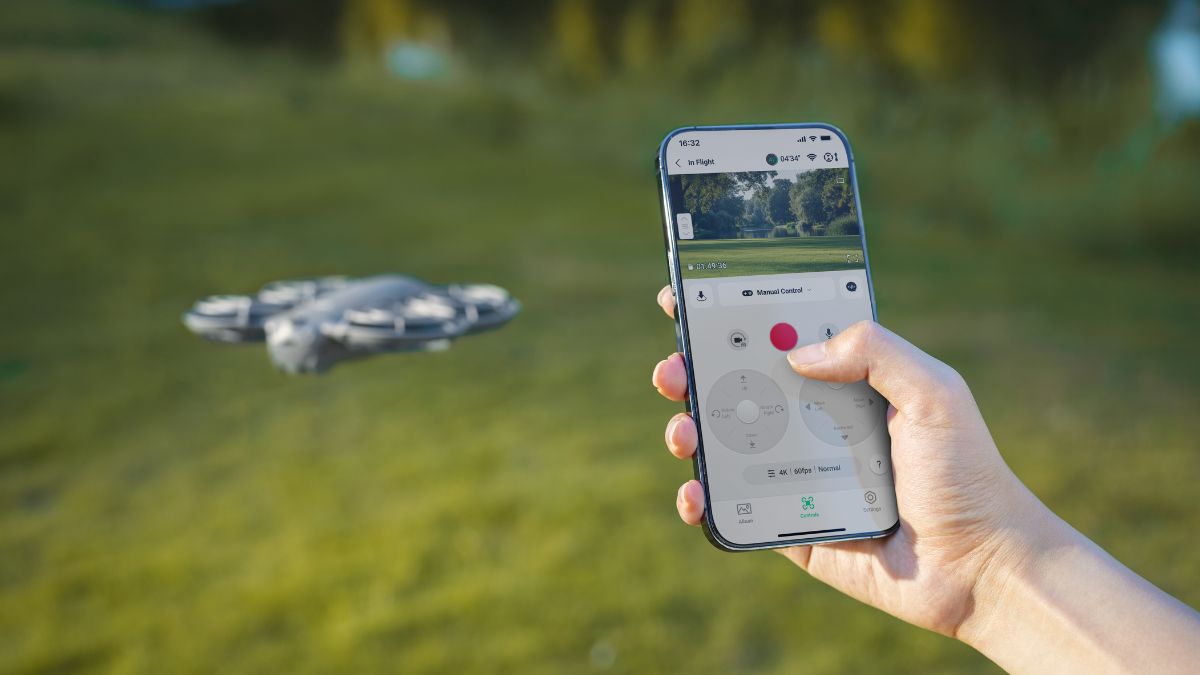
DJI Mini 4K | £242.00 (sale from £269.00) | Under 250g | Yes, standard controller | 4K camera with straightforward controls |
What Actually Matters at This Price Point
Controller-free operation is the defining difference. The Neo 2 launches from an open hand and flies its basic modes without a controller, the simplest starting point DJI sells; the Mini 4K uses a conventional two-stick controller, closer to how most drones actually fly and a more direct step toward the models above this price band.
Neither model has obstacle sensing or built-in propeller guards, features that start appearing from £295.00 upward. At this price point, durability comes down to the flyer's own care rather than the drone's own safety systems.
Camera-wise, the Mini 4K is built around 4K capture as its main selling point; the Neo 2 is pitched on ease of use rather than image quality. Worth checking current camera specs on the product page directly, since this is the area DJI updates most often.

Common Questions
Both models here are current DJI products, not discontinued stock, so the price reflects a genuine entry point rather than a compromise. Stretching to the £250 to £500 band adds obstacle sensing and longer flight times, covered in our under £500 guide, but neither is essential for a first drone.
Yes, both have a camera and weigh over 100g, which brings UK registration into play. Full detail on Flyer ID and Operator ID is in our kid's Christmas drone guide.
The DJI Neo 2. It takes off from an open hand and doesn't need a controller for its basic modes, removing the steepest part of the learning curve.
Neither is available under £250 in DJI's current range. Both start appearing from £299.00, covered in our under £500 guide.