Beginner Drones at a Glance
Model | Price | Weight | Controller needed | Standout feature for a first drone |
|---|---|---|---|---|
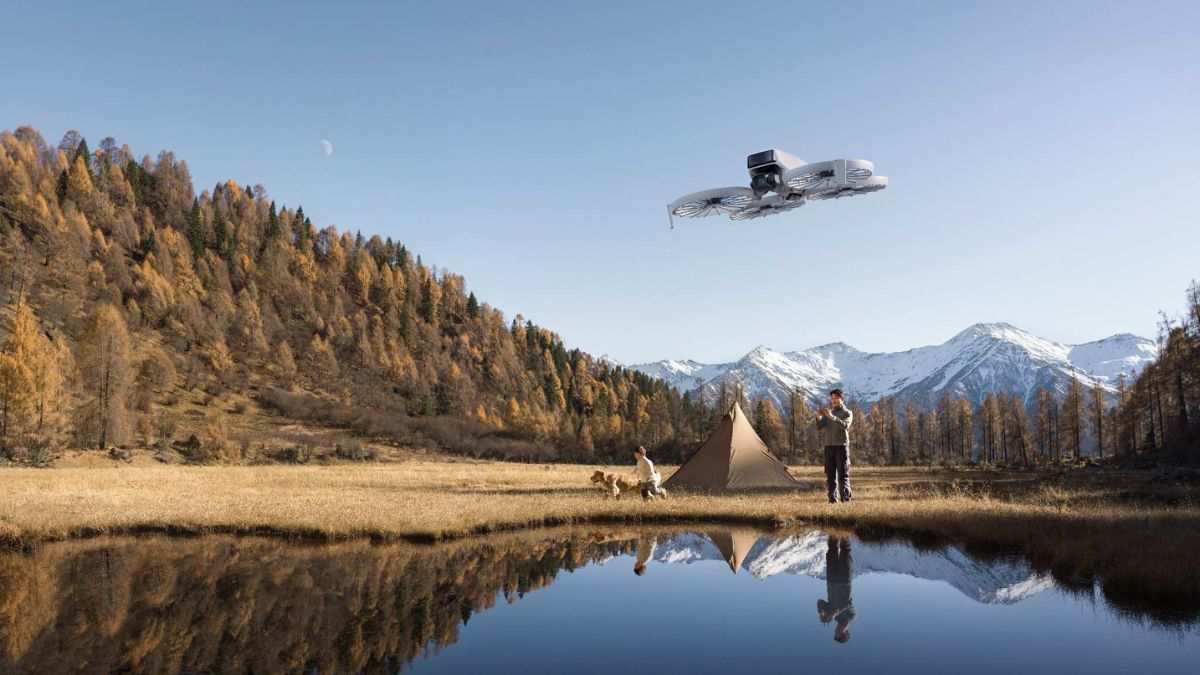
DJI Neo 2 | £209.00 | 151g (160g with O4 transceiver) | No, palm takeoff and subject tracking | Launches from an open hand, nothing to crash into on takeoff |
DJI Mini 4K | £242.00 (sale from £269.00) | Under 250g | Yes, standard controller | 4K camera, straightforward controls for a step up from the Neo 2 |
DJI Flip | £295.00 (sale from £369.00) | Under 249g | Yes, standard controller | Built-in propeller guards around all four rotors |
DJI Lito 1 | £299.00 | Under 250g | Yes, standard controller | Obstacle sensing, a safety net for a less experienced flyer |
What You Need to Know Before Flying It
The Flyer ID test is free, done online through the CAA's own registration service at register-drones.caa.co.uk, and the CAA doesn't set a minimum age to sit it. The catch for a child's gift: an Operator ID, the registration tied to who owns the drone, can only be held by someone 18 or over. If the child is under 18, a parent or guardian registers for the Operator ID on the drone's behalf; the child still needs their own Flyer ID to fly it. The Operator ID number then needs to be displayed on the drone itself.
Worth doing before Christmas morning rather than after. The test itself takes a matter of minutes, but it's one more thing competing for attention on the day.
What Actually Matters When Choosing
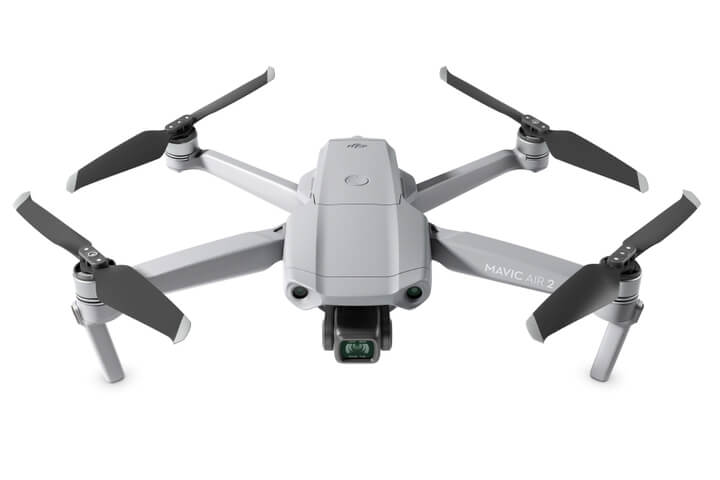
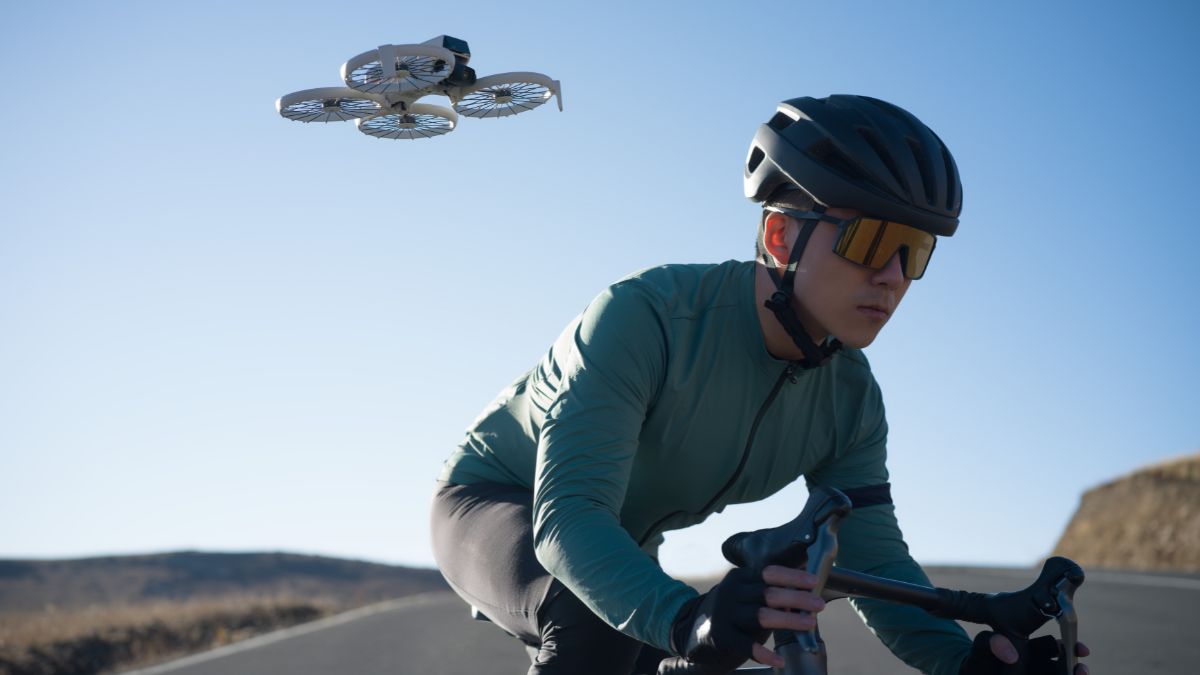
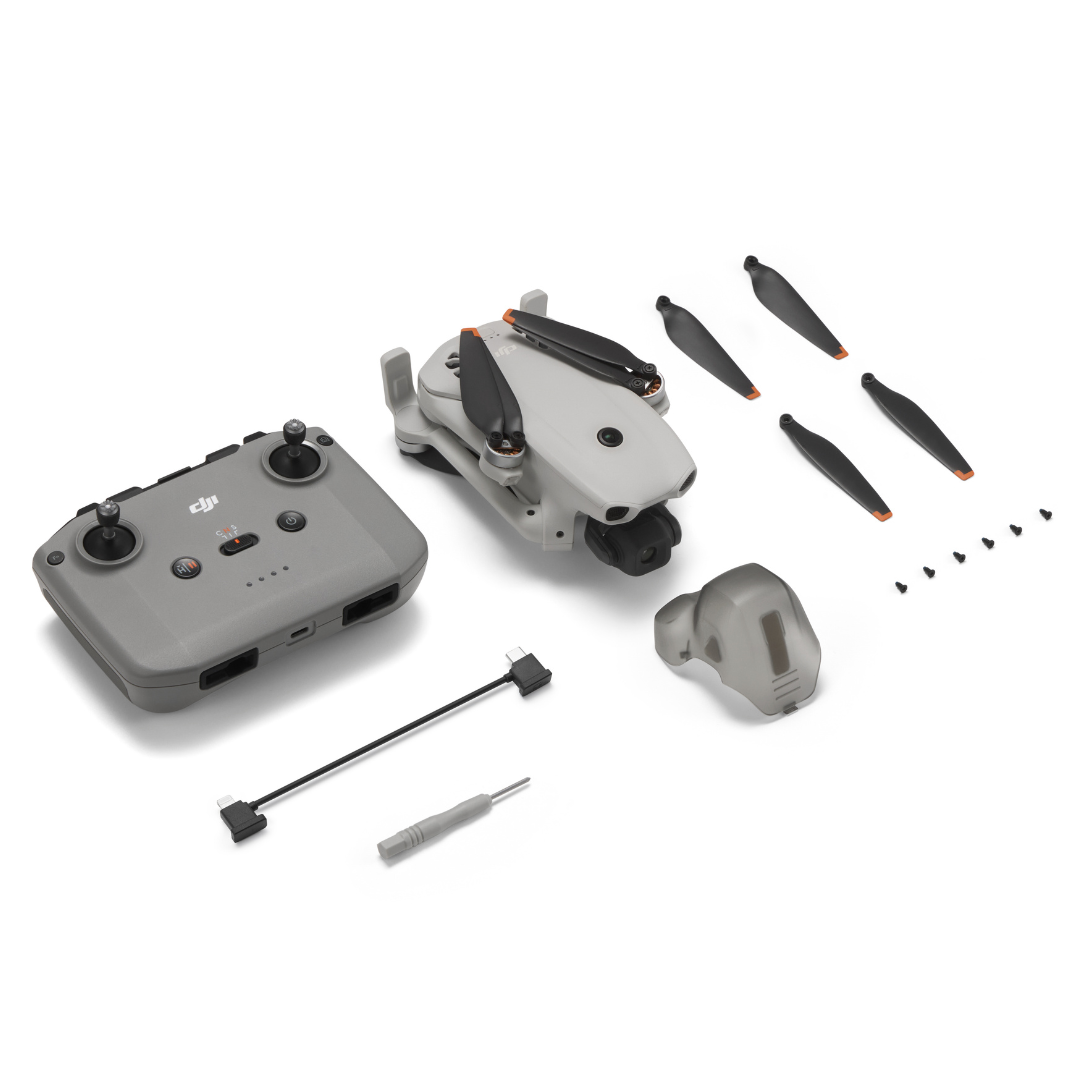
Controller-free versus standard controller is the biggest practical difference in this range. The Neo 2 launches from an open hand and flies its basic modes without a controller at all, which removes most of the learning curve; the Mini 4K, Flip and Lito 1 all use a conventional two-stick controller, closer to how most drones and RC vehicles actually fly.
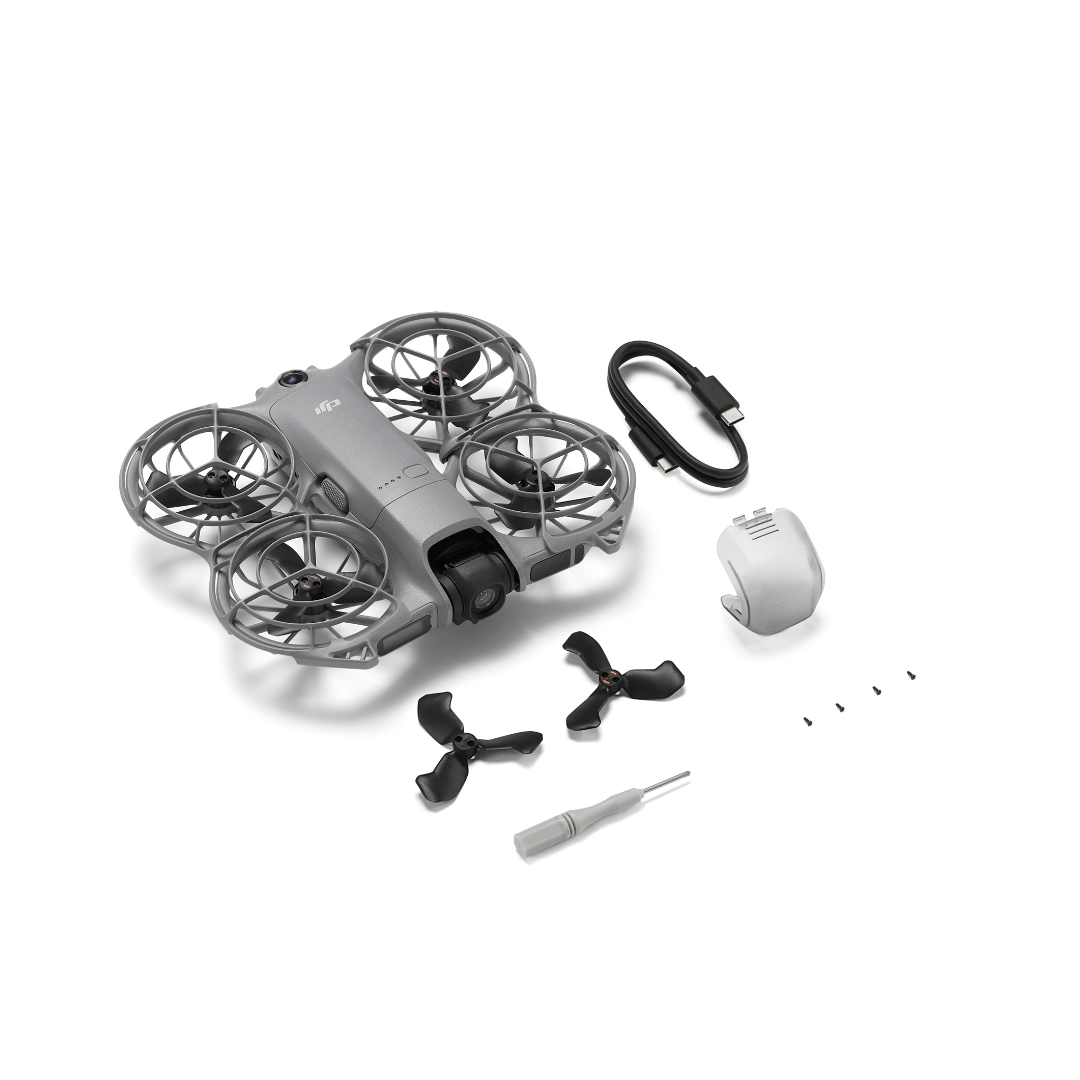
Crash resistance varies by design rather than by price. The Flip is the only model here with propeller guards built around all four rotors as standard, worth weighing against the Mini 4K's otherwise similar spec and lower price if the drone's likely to be flown indoors or somewhere tight. The Lito 1 takes a different approach to the same problem: obstacle sensing that actively avoids a collision rather than a guard that survives one, at a small premium over the Mini 4K.
Camera specification is the other real variable. The Mini 4K is the only model in this range built around 4K capture as its headline feature; the Neo 2 and Flip are pitched more on ease of use and durability than on image quality. Worth checking current camera specs on the product page directly if footage quality is the deciding factor, since this is the area DJI updates most often across a model's lifetime.
None of these four is a straightforward upgrade path from another. The right one comes down to which of controller-free operation, physical durability, obstacle avoidance or camera quality matters most for how it'll actually be used, not price alone.

 Free Gifts Included
 Free Gifts Included
Common Questions
Yes, if it has a camera and weighs 100g or more, which covers every model in this guide. The child needs a Flyer ID; if they're under 18, a parent or guardian needs to hold the Operator ID.
The CAA doesn't set one for the Flyer ID test itself. The age limit that applies is on the Operator ID, which must be held by someone 18 or over.
The DJI Neo 2. It takes off from an open hand and doesn't need a controller to fly its basic modes, removing the steepest part of the learning curve.
Genuine DJI stock through an official UK dealer keeps the manufacturer warranty valid and spare parts (propellers, guards, batteries) available directly, which matters more with a child flyer than with an experienced one.