DJI Matrice 5T for Public Safety
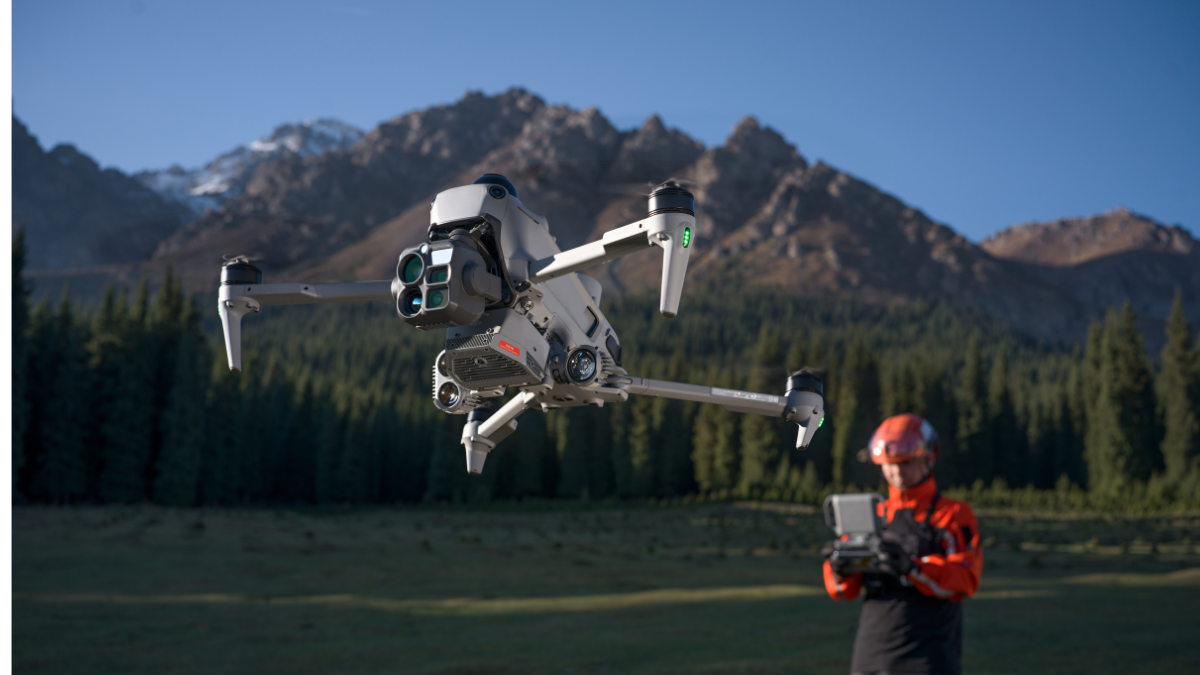
Onboard AI models detect more than 20 target types before a single frame reaches a command centre, relevant the moment a response runs into a dead signal area or a connection a cloud-processing workflow can't rely on. A perception suite combining LiDAR, mmWave radar and full-colour omnidirectional vision keeps the aircraft flying close to buildings, crowds and overhead cables without the pilot carrying that risk alone. This guide covers what the Matrice 5T actually brings to a manually-flown public safety deployment: onboard detection, night and thermal imaging, direct scene communication, and where it sits against DJI's automated Dock 4 model.
Quick Reference: Public Safety-Relevant Specs
Spec | Figure |
|---|---|
Onboard AI detection | 20+ target types, open onboard computing for custom algorithms |
Perception suite | LiDAR, mmWave radar, full-colour omnidirectional vision, Vision Assist |
Thermal camera | 1280×1024, 2K UHR mode |
Max hybrid zoom | 176x with IR cut filter |
Night vision | Full-colour wide-angle, 1/0.98" sensor |
Laser rangefinder | 3km |
Max flight time | 59 minutes |
Max flight speed | 23 m/s |
Video transmission | Up to 20km (CE, UK and EU) |
Aircraft awareness | Built-in ADS-B and Remote ID receivers |
IP rating | IP55 |
Controller | DJI RC Plus 3 Enterprise (handheld) |
Real-Time Awareness Without a Cloud Dependency
Onboard AI models detect more than 20 target types directly on the aircraft, before a frame is sent anywhere else, keeping a response moving the moment a site has no reliable signal for cloud processing. Open onboard computing extends this further, letting a force or agency run its own custom detection algorithms on the same hardware rather than only DJI's built-in models. Paired with DJI FlightHub 2, the same detection data feeds into multimodal search and alerting across a wider fleet rather than staying on one pilot's own feed.
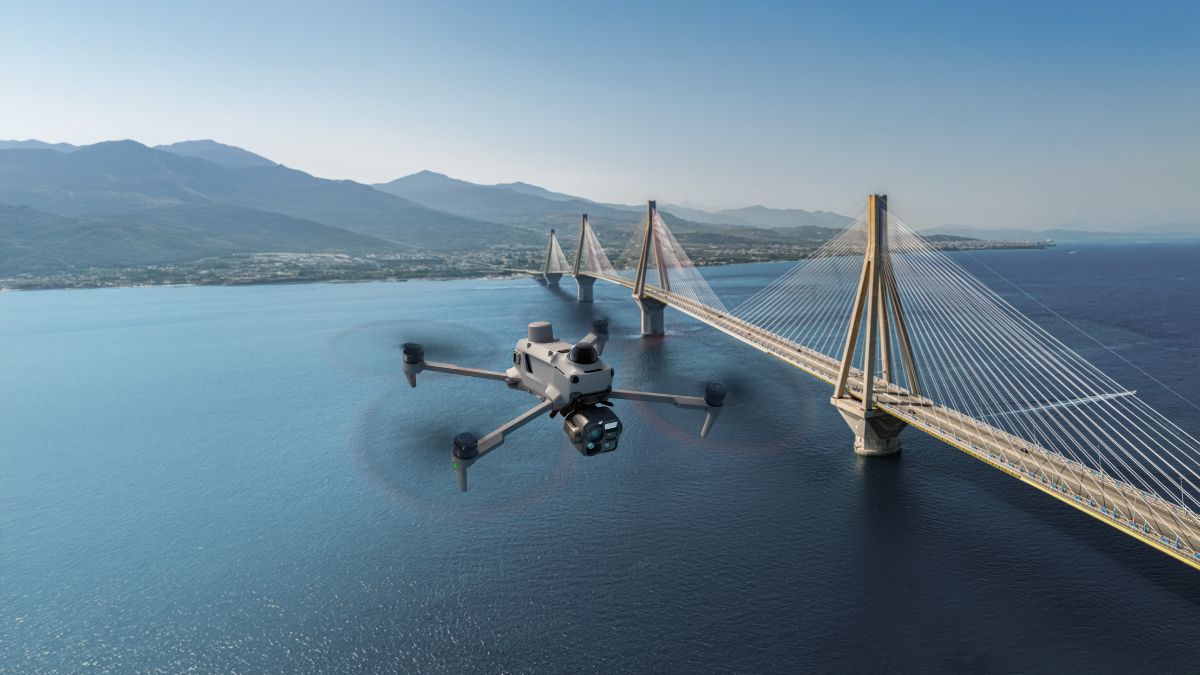
The LiDAR and mmWave radar perception suite extends obstacle sensing to wire-level detection, relevant the moment a flight path runs close to overhead cables, scaffolding or another aircraft a standard vision system might miss entirely. This matters specifically in a public safety context where the flight path isn't planned in advance the way a survey mission is, a live incident dictates where the aircraft needs to go next
Night and Low-Light Response
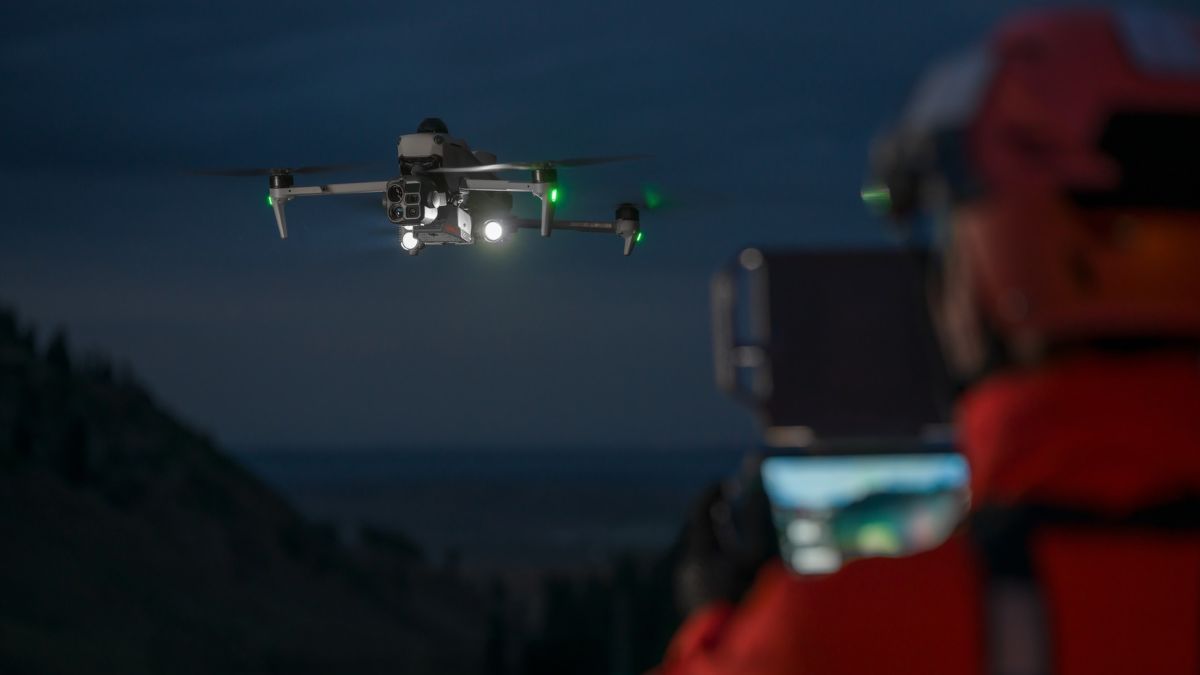
A 1280×1024 thermal camera with 2K UHR mode and up to 176x hybrid zoom covers wide-area search and close-range identification from the same gimbal, without a lens change or a second aircraft mid-response. A full-colour wide-angle night vision camera, built around a 1/0.98-inch sensor, extends usable visual capture well past dusk, and thermal-visible fusion display puts both feeds in front of the pilot at once. A 3km laser rangefinder adds distance measurement directly into the same view, relevant for briefing ground teams on exactly how far a located subject or hazard actually is.
Direct Scene Communication and Signalling
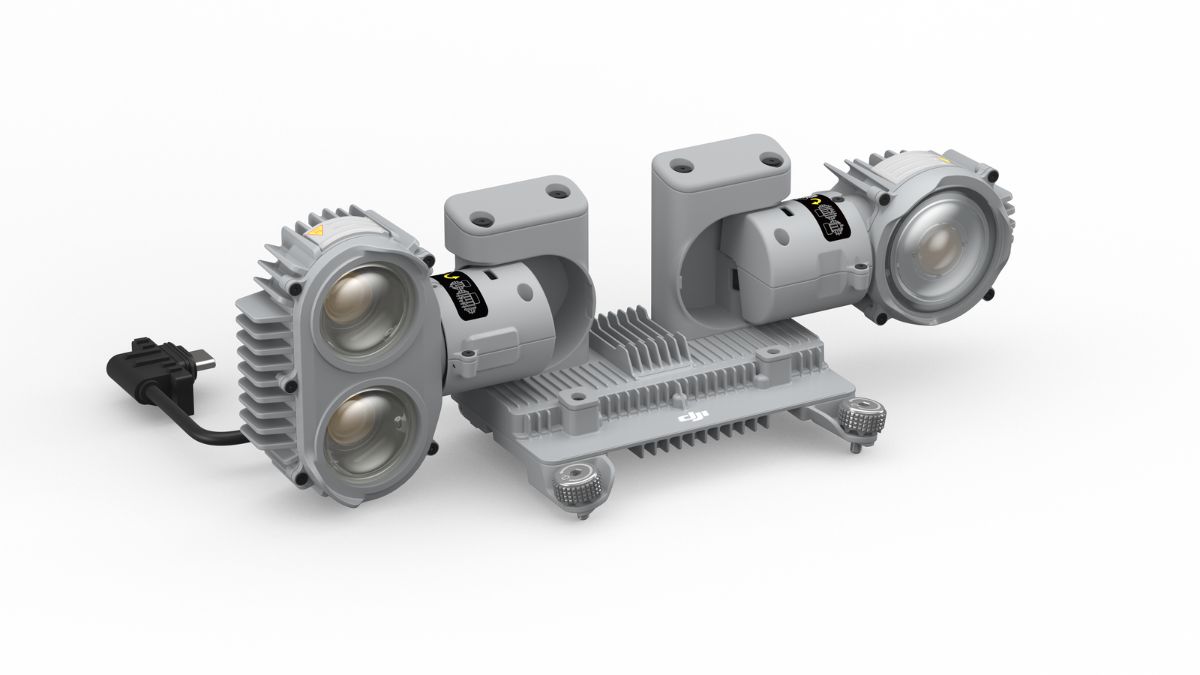
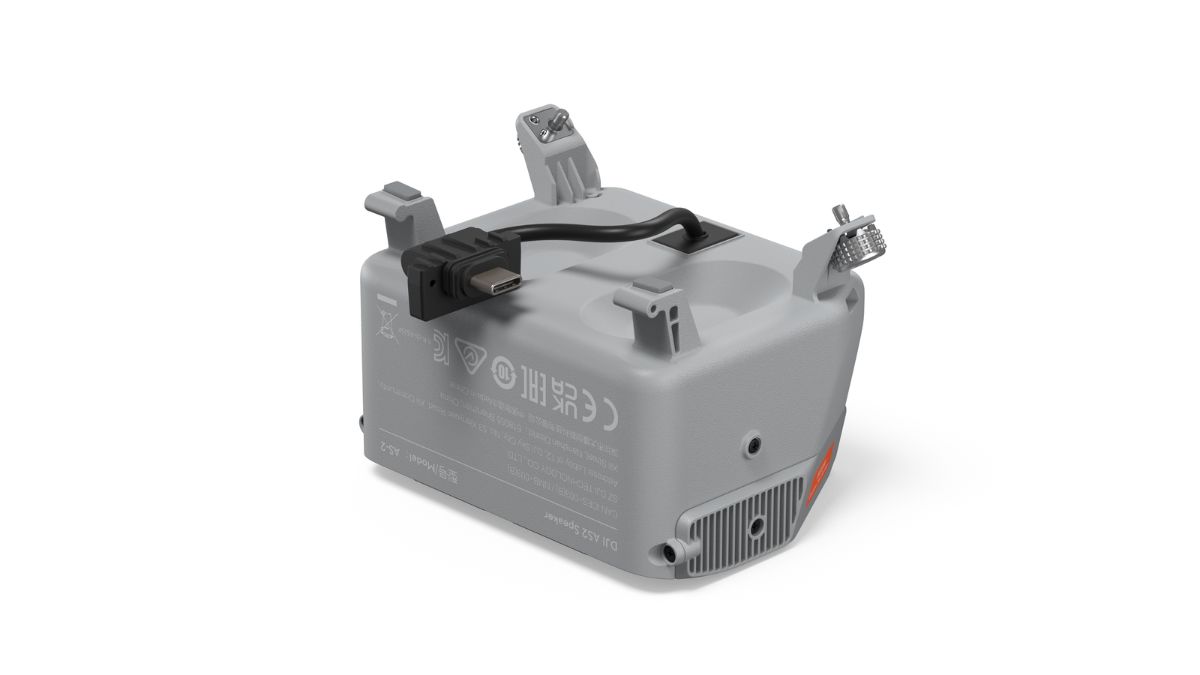
The DJI AS2 Speaker reaches 120dB at 1 metre over an effective 400 metre broadcast distance, supporting real-time broadcasting, recorded playback, media import and text-to-speech, confirmed on DJI's own Matrice 5T specification page. A five-colour strobe light built into the same payload adds a direct visual signal where sound alone won't reliably hold attention. The DJI AL2 SpotLight runs alongside it, with a wider Flood mode for lighting a search area and a narrower Spot mode reaching 10.0 lux at 100m for picking out a single target at range, plus its own Strobe mode for signalling.
Both accessories are confirmed by DJI as exclusively compatible with the Matrice 5T rather than shared across the wider Matrice 5 generation, worth knowing before planning a mixed-fleet accessory budget.
Staying Airborne Longer, Covering More Ground
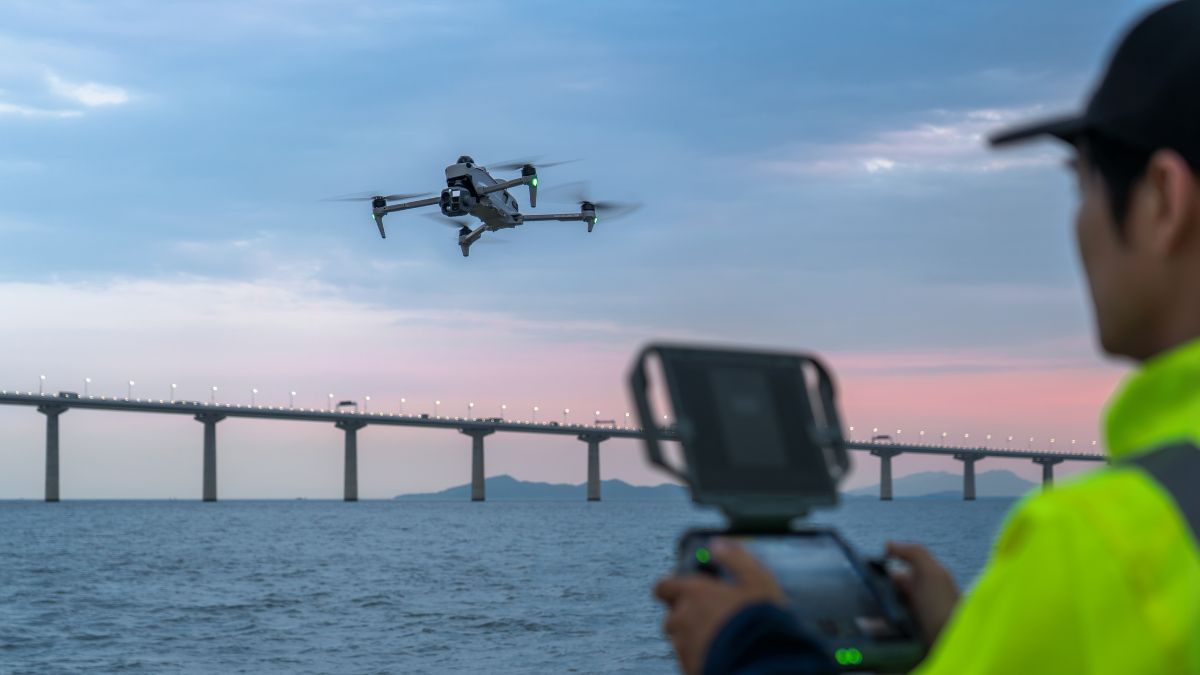
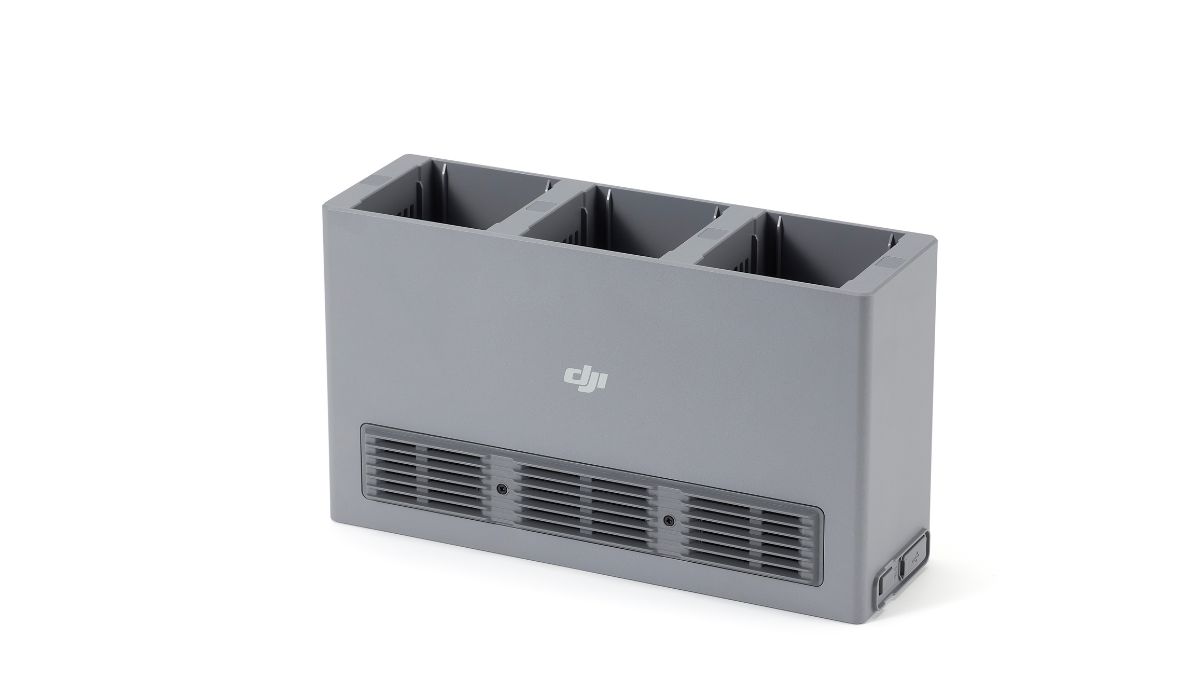
Maximum flight time reaches 59 minutes and top speed 23 m/s, meaning a search pattern or a dispatch run covers more ground per battery, fewer landings to swap packs and more actual time over the scene. Video transmission reaches up to 20km under CE compliance, the figure that applies across the UK and EU, keeping a pilot in control well beyond visual range on a wide-area search or a perimeter run. A 515W Charging Hub, sold separately, speeds battery turnaround between flights on a multi-sortie shift rather than a crew waiting on one slow charge cycle.
Airspace Awareness on a Live Incident
Built-in ADS-B and Remote ID receivers add awareness of nearby crewed and uncrewed aircraft directly into the Matrice 5T's own sensing, relevant on an incident where a police helicopter, air ambulance or another agency's drone may also be working the same airspace. This runs as part of the aircraft's standard sensing rather than a separate device a crew has to carry and monitor on top of flying the mission itself.
Manually Flown, Not Dock-Automated
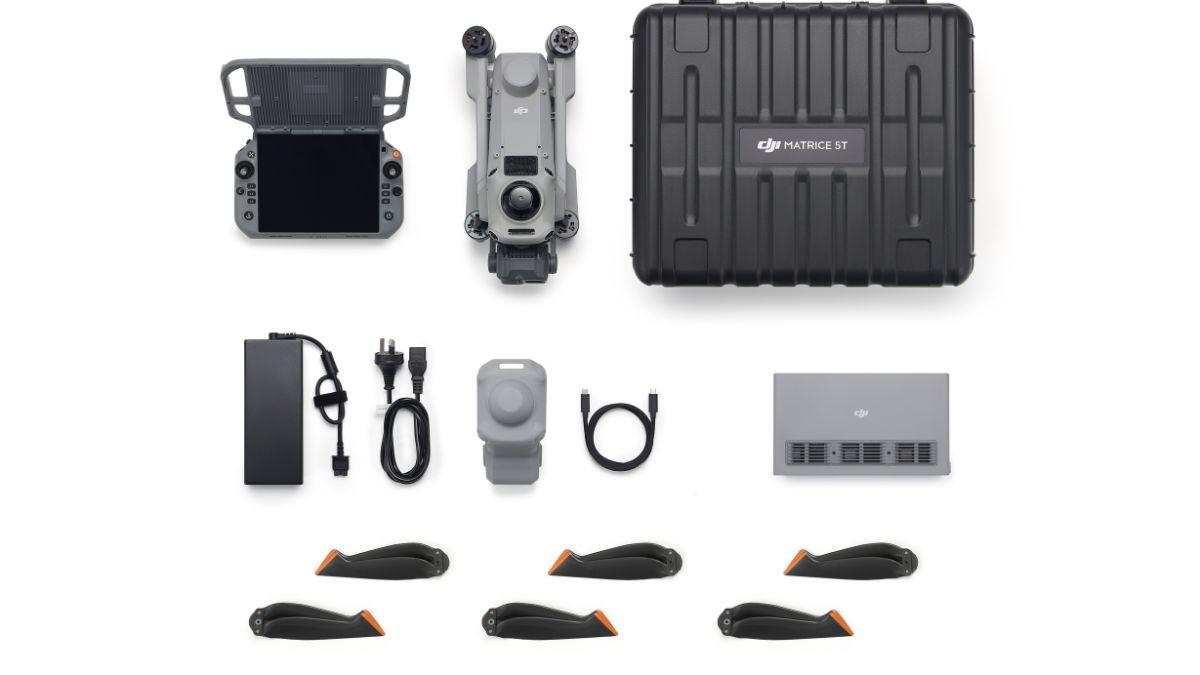
The Matrice 5T is flown with the handheld DJI RC Plus 3 Enterprise controller, a different deployment model from the Matrice 5TD, which pairs exclusively with Dock 4 for automated, dispatch-triggered launches. A Dock as First Responder programme, the model covered in our DJI FlightHub 2 for Public Safety guide, depends on that dock-based automatic launch and isn't something the Matrice 5T itself performs. What the Matrice 5T does instead is give a crewed response, SWAT, search and rescue, crowd management, the full onboard detection and imaging capability above, flown by an operator who decides where the aircraft goes next rather than a system dispatching it automatically.
A force or agency running both deployment models, a fixed-site Dock 4 for automatic first response and a Matrice 5T for a manually-directed follow-up or a mobile unit, still gets both into the same FlightHub 2 record, so a response doesn't end up split across two separate systems depending on which aircraft flew it.
What This Means in the Field
The Matrice 5T's case for public safety work rests on three things working together: onboard AI detection that doesn't depend on a connection, a thermal and night vision gimbal that keeps working after dark, and a speaker and spotlight payload built specifically for this aircraft rather than adapted from elsewhere. A force already running Dock 4 and the Matrice 5TD for automated first response adds the Matrice 5T for the missions that need a pilot's own judgement on where to go next, not as a replacement for the automated model.
Common Questions
No, the Matrice 5T is flown manually with the RC Plus 3 Enterprise controller. Automatic, dispatch-triggered launches are a Dock 4 and Matrice 5TD capability.
Not confirmed. DJI's own FAQ states both are exclusively compatible with the Matrice 5T, so check with the team before ordering for a 5TD deployment.
No, detection runs directly on the aircraft before any frame is sent elsewhere, which is the point for a site with no reliable signal.
Up to 20km under CE compliance, the figure that applies across the UK and EU. DJI's 40km figure applies only under IC compliance.
It runs alongside. A fleet can use Dock 4 and the Matrice 5TD for automated first response and the Matrice 5T for manually-directed missions, with both feeding the same FlightHub 2 record.