Caster vs Server vs Client: Who Does What
Component | Role | Example |
|---|---|---|
NTRIP Server | Uploads correction data from a source to the caster | Software running at a reference station, or a network RTK provider's own infrastructure |
NTRIP Caster | Receives from servers, authenticates clients, distributes streams | A network RTK provider's hosted service, e.g. Emlid Corrections or the DSS RTK Network Subscription |
NTRIP Client | Connects to a caster, requests a mount point, applies the correction | A GNSS receiver or drone controller running NTRIP settings |
A caster doesn't generate any correction data itself, it's a distribution point, not a computation engine. The actual correction, whether from a single fixed base or a Virtual Reference Station network, is computed upstream and simply passes through the caster on its way to a client.
What a Caster Actually Receives and Sends
Incoming, a caster accepts one or more NTRIP server connections, each uploading a correction stream, a single base station's own data, or a network RTK engine's computed output for a wider coverage area. Outgoing, it serves any number of connected clients simultaneously, each one authenticated separately and each free to be connected to a different mount point on the same caster.
That's the practical reason a single network RTK subscription can support many operators working at once, a caster hosting a national network isn't limited to one active connection at a time; it manages authentication and stream selection per client independently.
The Sourcetable: How a Caster Advertises What It Has
Every standards-compliant caster publishes a sourcetable, a structured list of everything it offers, built from three record types: CAS records describing the caster itself, NET records describing the network behind it, and STR records, one per mount point, each describing a specific correction stream (its format, coverage area and whether it needs the client's position for a VRS calculation). A client, or a person setting up a receiver manually, can query this sourcetable to see every mount point a caster hosts before choosing one.
This is where mount point naming actually comes from: a caster's sourcetable might list a specific physical base station by name, a general regional VRS feed, or several of each side by side, and picking the wrong one from that list is a common, easily fixed cause of a rover never converging to FIX.
Who Actually Runs a Caster
A network RTK provider is, functionally, an organisation running a caster and a network of reference stations feeding it, Emlid Corrections and the DSS RTK Network Subscription both work this way, each hosting their own caster infrastructure that a rover connects to as a client. Neither requires the end user to run any caster software themselves, the subscription is access to an already-running one.
Running a private caster is also possible for an organisation with its own dense network of fixed reference stations, common among national mapping agencies and large infrastructure operators, but well beyond what a typical survey, construction or drone mapping business needs; buying access to an existing network RTK subscription covers the same ground without the infrastructure overhead.
What This Means in Practice
Every field entered into a receiver's or drone controller's NTRIP correction settings, the caster address, port, username, password and mount point, maps directly onto the caster's own role: the address and port identify which caster to connect to, the mount point identifies which stream from its sourcetable to request, and the credentials are what the caster checks before it starts sending data. Our How Does NTRIP Work? guide covers the full connection sequence these settings trigger, from the initial handshake through to a continuous correction stream.

RTK Network Subscription - 1Y Unlimited
More than 7,500 base stations · Accuracy of 1.5cm with EU Certification
 Free Gifts Included

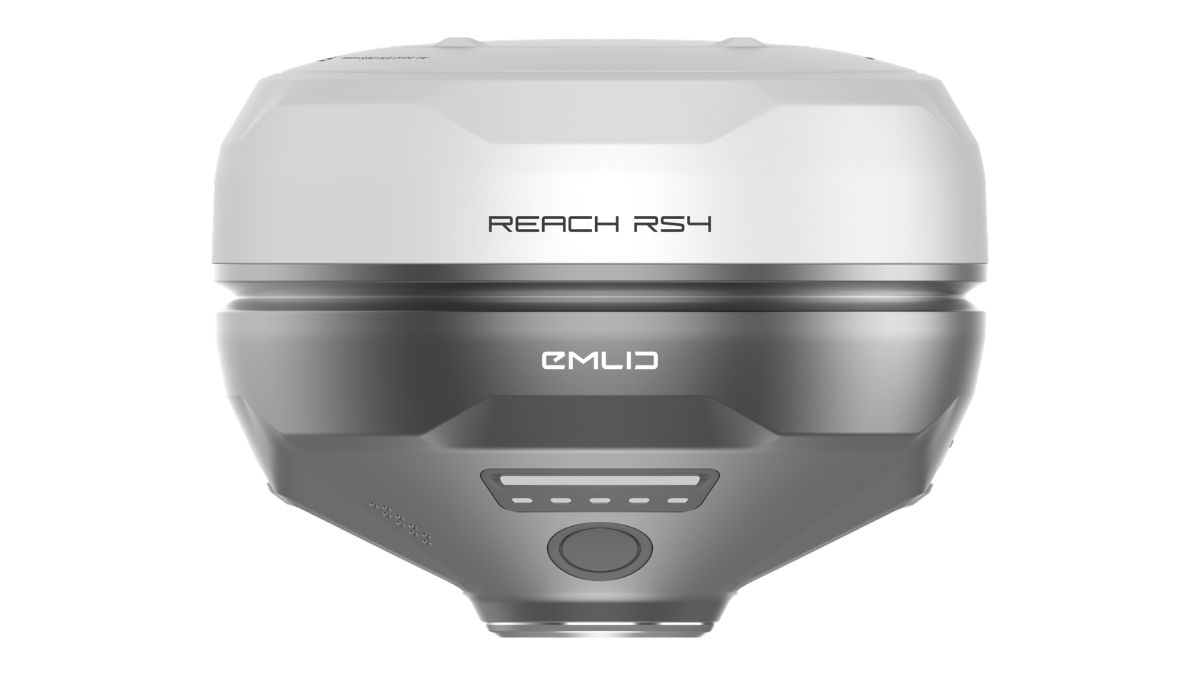 Free Gifts Included
Common Questions
No. A base station (the source) generates the correction data; the caster distributes it. A caster can serve corrections from a single base station or from a whole network of them.
Yes, a caster authenticates and serves each connected client independently, which is how a single network RTK subscription supports many operators working at once.
It's the structured list a caster publishes of every mount point it offers, letting a client or a person setting up a receiver see and choose the correct correction stream before connecting.
No, for almost every survey, construction or drone mapping business. A network RTK subscription gives access to an already-running caster; running your own is only worthwhile for an organisation operating a dense network of its own reference stations.
Each mount point represents a different correction source, a specific base station or a regional VRS feed. Choosing one too far from the actual working location is a common cause of a rover holding FLOAT rather than reaching FIX.