The Inspection-Relevant Specs
Factor | Matrice 4E | Matrice 4T |
|---|---|---|
Thermal detection | None | 640 x 512, high gain -20°C to 150°C, low gain 0°C to 550°C |
Standoff zoom range | Up to 48MP telephoto, no hybrid zoom figure published for this lens | Up to 16x digital / 112x hybrid zoom |
Night inspection | No NIR light | NIR auxiliary light for illuminated night imaging |
Wide camera resolution | 20MP, mechanical shutter | 48MP, electronic shutter only |
Flight time (coverage per battery) | 49 min | 49 min |
Price | £3,940.00 | £5,910.00 |
Fault-Finding vs Visual Documentation
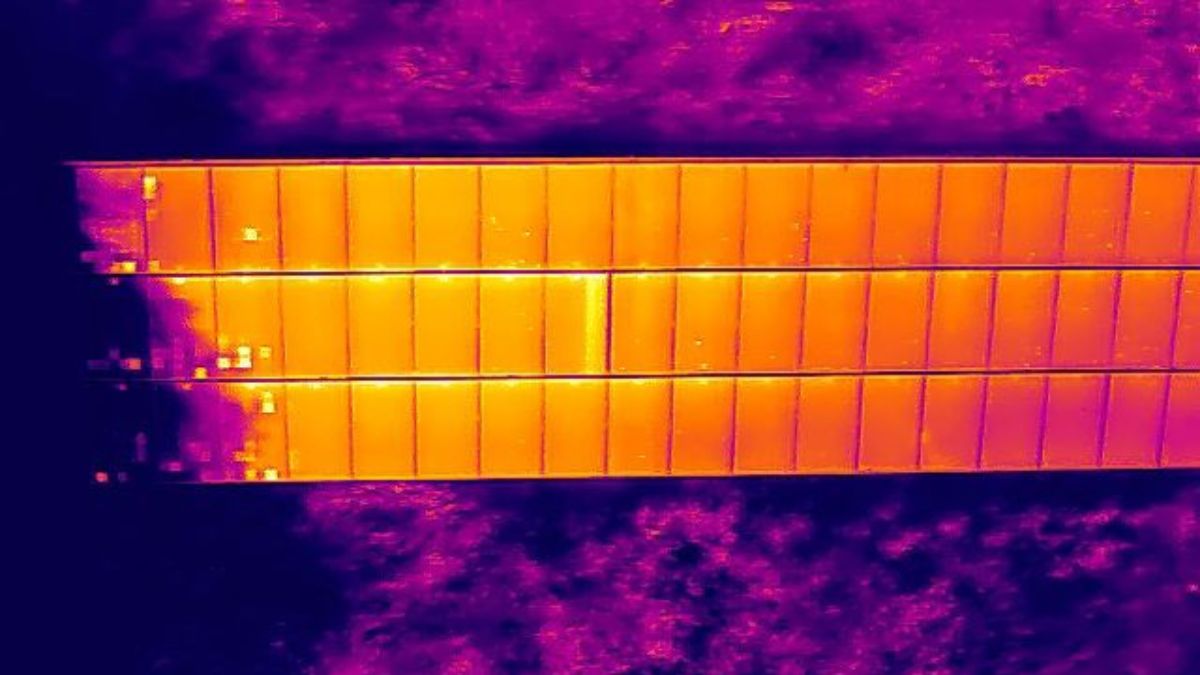
Electrical inspection, solar panel hotspot detection, mechanical or industrial plant condition monitoring and building envelope surveys all rely on finding a problem that isn't visible in a normal photograph, a genuinely overheating component, a failed bypass diode, a section of roof losing heat. The M4T's thermal camera is what makes that kind of inspection possible at all; the M4E's three RGB cameras, however sharp, can't surface a thermal anomaly no camera operator would otherwise catch from the ground or from a standard photo.
Visual-only inspection work, condition surveys, progress documentation, asset photography where the point is a clear record rather than fault detection, doesn't need thermal capability, and the M4E's higher-resolution 20MP mechanical-shutter wide camera holds up well for that kind of detailed still photography.
Standoff Distance Matters for Safety and Access
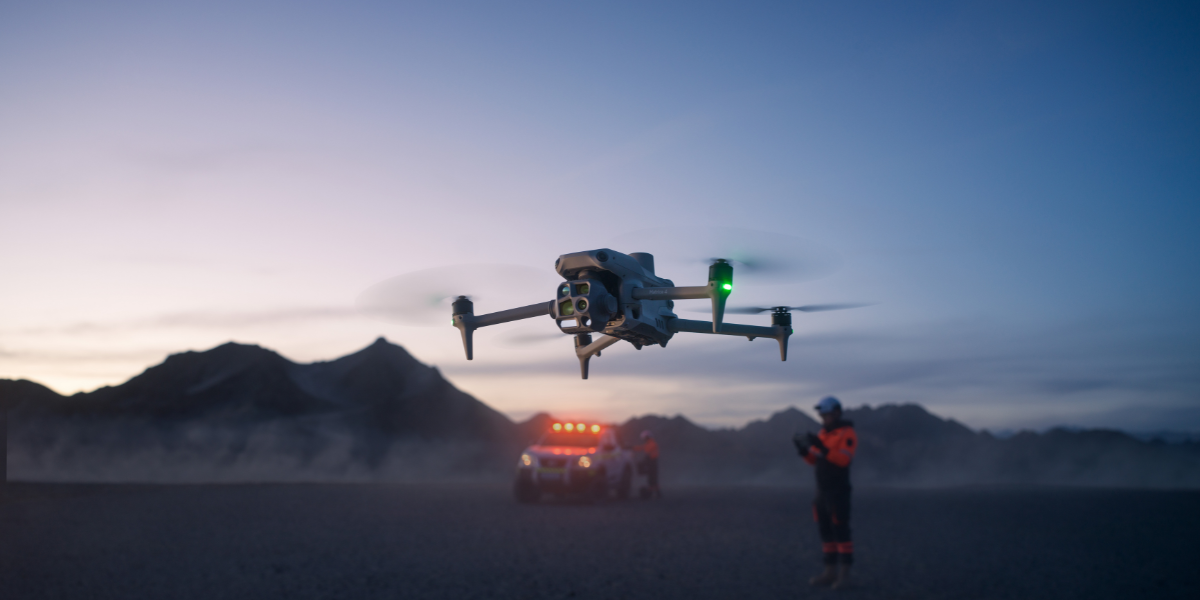
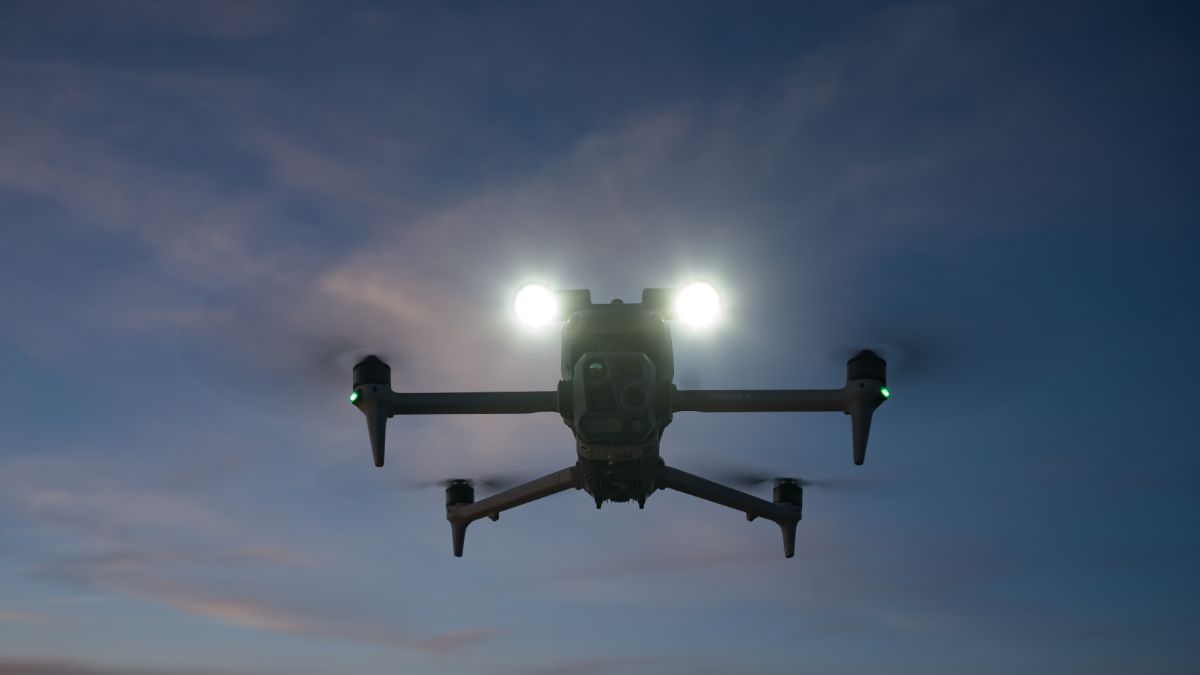
The M4T's 112x hybrid zoom lets an inspector examine a component from a genuine standoff distance, useful for live electrical equipment, structures that can't be approached closely, or simply covering more of a tall structure without repositioning constantly. The M4E's telephoto camera doesn't publish the same hybrid zoom figure and is built more for mapping-grade detail capture at typical survey altitudes than for the kind of close-in optical inspection the M4T's zoom is suited to.
Night and Low-Light Inspection
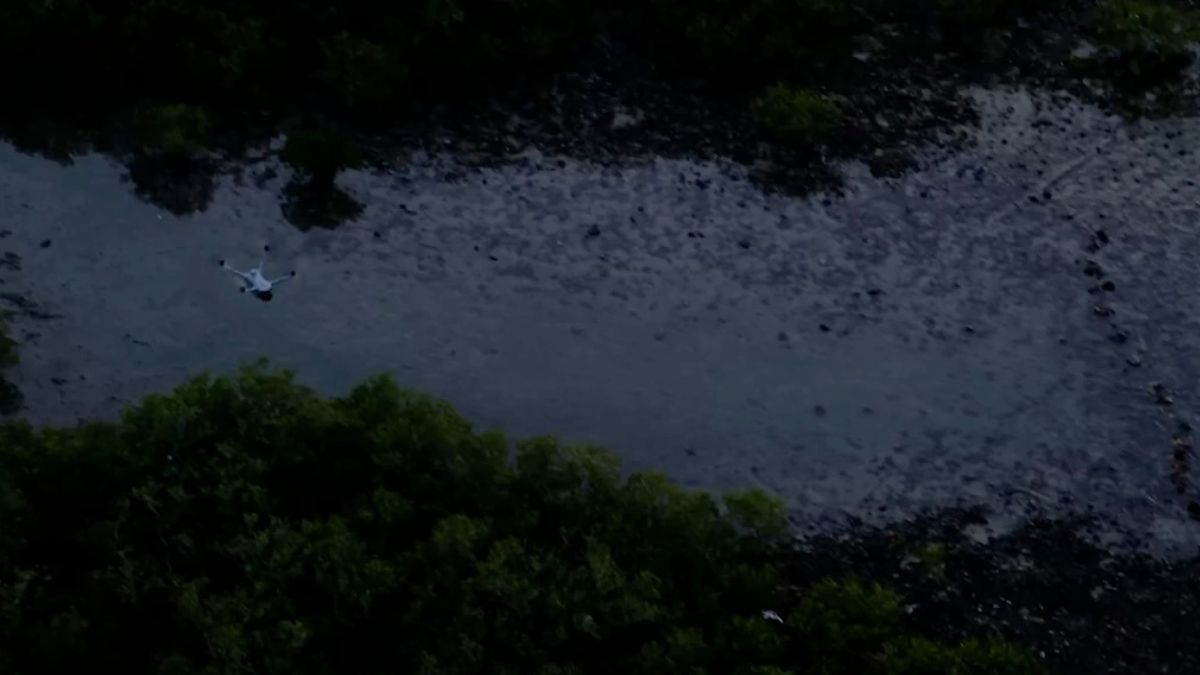
The M4T's NIR auxiliary light supports illuminated imaging after dark, relevant for security inspections, emergency response work, or thermal surveys that are often flown at night or early morning specifically because thermal contrast is stronger when ambient solar heating isn't masking the real temperature differences. The M4E has no equivalent light and isn't built for after-dark work.
Choosing Between the M4E and M4T for Inspection
Inspection work centred on finding a fault that isn't visible to the eye, electrical, mechanical, solar, or building envelope work, points clearly to the M4T; the thermal camera isn't an optional extra here, it's the tool doing the actual inspection. Visual documentation, condition surveys and asset photography where a clear, high-resolution record is the deliverable can run perfectly well on the M4E, at a substantially lower entry price.
 Free Gifts Included

DJI Matrice 4E RTK Bundle
The Ultimate Mapping Package · D-RTK 3, Tripod & Four Batteries Included
Common Questions
No, the M4E has no thermal camera at all. Any inspection work relying on temperature detection needs the M4T.
Actually useful, the 112x hybrid zoom lets an inspector examine a component from a real standoff distance rather than flying dangerously close to live equipment or a structure that can't be approached.
Visual documentation, condition surveys and asset photography where fault detection isn't the point, just a clear high-resolution record, and where the lower £3,940.00 price matters.
Yes, solar inspection is a common use for exactly this kind of thermal camera, identifying underperforming or failed cells by their temperature difference from surrounding panels.
Not with the same illuminated capability the M4T's NIR light provides. The M4E has no equivalent light fitted.