The Class Marks at a Glance
Class | Max weight | Open Category subcategory | Notes |
|---|---|---|---|
UK0 | Under 250g | A1 (over people) | Most sub-250g consumer drones |
UK1 | Under 900g | A1 (over people) | Requires low-speed mode and electronic ID |
UK2 | Under 4kg | A2 (near people) with an A2 CofC, A3 without | A2 CofC unlocks 30m proximity to uninvolved people |
UK3 | Under 25kg, under 3m | A3 (far from people) | 50m minimum from uninvolved people |
UK4 | Under 25kg | A3 (far from people) | 50m minimum from uninvolved people |
UK5 | Under 25kg | Specific Category only | Needs a CAA Operational Authorisation |
UK6 | Under 25kg, under 3m | Specific Category only | Needs a CAA Operational Authorisation |
Why the Class Mark Matters More Than Weight Alone
Two drones can weigh the same and still operate under different rules, because the class mark carries safety features the weight figure alone doesn't capture, low-speed modes, electronic identification, build standards verified against a defined UK specification. A UK1-marked drone under 900g gets A1 privileges, flying close to and over individual uninvolved people; an unmarked or legacy drone of the same weight doesn't get the same allowance without meeting the older, weight-only fallback rules instead.
EU C-Class Marks Are Still Recognised, For Now
DJI and other manufacturers have historically used EU C-class marks (C0 to C6), and these remain valid under UK rules on a transitional basis. C0 maps to UK0, C1 to UK1, C2 to UK2, and C3/C4 map to UK3/UK4, giving the same Open Category access as their UK equivalents. That recognition runs out on 31 December 2027, after which C-marked drones not reclassified or upgraded become legacy aircraft, falling back to weight-only rules and losing any reduced separation distances the class mark had unlocked.
Legacy and Unmarked Drones
A drone bought before class marks existed, or one that never carried one, isn't grounded, it simply falls back to the older weight-based Open Category rules: under 250g gets A1, under 2kg with an A2 CofC gets A2, and under 25kg defaults to A3. These legacy aircraft can't access the reduced separation distances a genuine UK2 class mark unlocks, so a heavier legacy drone ends up needing more distance from people than an equivalent class-marked one, worth checking before assuming an older aircraft has the same flying privileges as a newer, marked equivalent.
What This Means When Buying
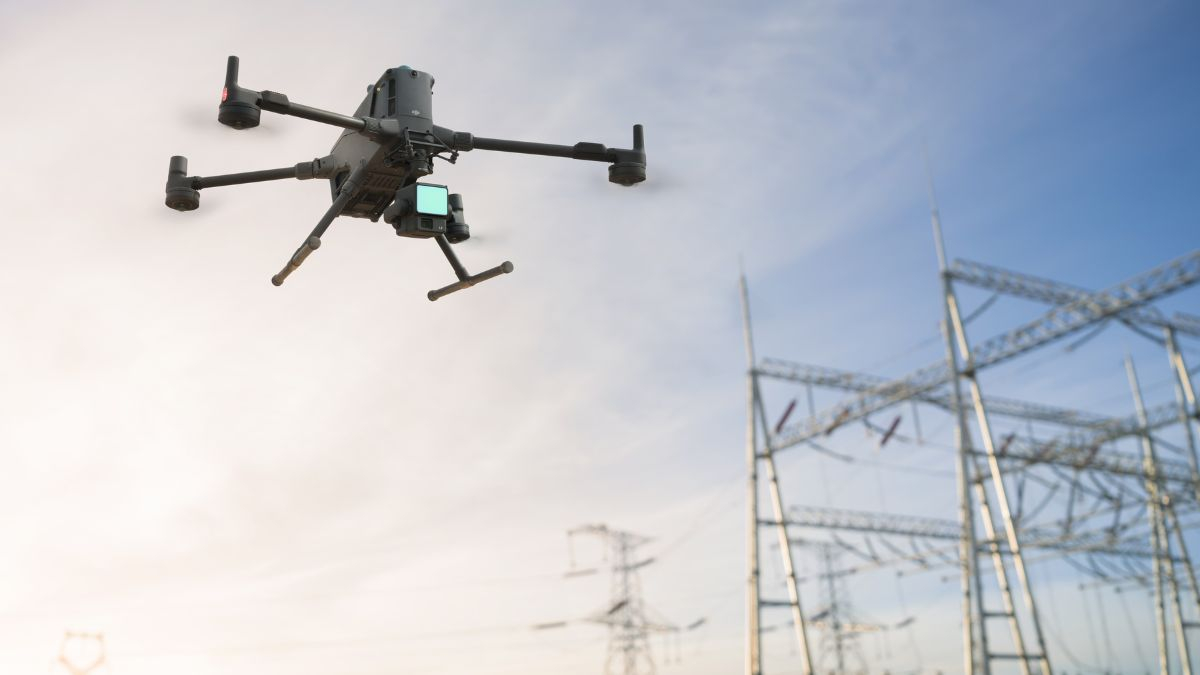
A drone's class mark, not just its weight, decides where it can legally be flown, so it's worth checking before a purchase rather than after. Enterprise aircraft in the 1kg to 15kg range, the bracket most DJI Enterprise platforms fall into, typically carry UK3, UK4, UK5 or UK6 marks and operate under A3 or a Specific Category authorisation regardless, so class mark differences matter less at that weight than they do for lighter consumer and prosumer drones weighing closer to the UK0/UK1/UK2 thresholds.
 Free Gifts Included
 Free Gifts Included
Common Questions
Less than for lighter drones. Aircraft in this weight range typically operate under A3 rules or a Specific Category authorisation either way, so the specific class mark makes less practical difference than it does for a sub-4kg consumer or prosumer drone.
It's recognised as equivalent to its matching UK class mark until 31 December 2027. After that, an unreclassified C-marked drone becomes a legacy aircraft under weight-only rules.
Yes, it falls back to the older weight-based Open Category rules rather than being grounded, but it won't get the reduced separation distances a genuine UK-marked equivalent unlocks.
No, A1 privileges allow flying close to and over individual uninvolved people, but flying over a crowd is never permitted regardless of class mark or weight.
On its spec plate or packaging, and usually stated on the manufacturer's own product page or specification sheet.