RPC-L1 vs GVC at a Glance
Factor | GVC | RPC-L1 |
|---|---|---|
Operation type | VLOS only | VLOS (Part A), BVLOS with Visual Mitigations available (Part B) |
Aircraft coverage | One certificate covers multirotor and fixed-wing | Separate certificates for rotorcraft and fixed-wing |
Still being issued | Stops 31 December 2027 | Yes, ongoing |
Progression pathway | None, standalone qualification | First step toward RPC-L2, L3 and L4 |
Theory exam if already GVC-qualified | N/A | Exempt, practical assessment only |
Validity | 5 years | 5 years |
PDRA01 annual cost | £524 | £524 |
Why the GVC Is Being Phased Out
The CAA is replacing its single standalone GVC qualification with a structured Remote Pilot Certificate ladder, RPC-L1 through L4, that scales with the complexity of the operation rather than issuing one certificate for everything. A GVC still earns full PDRA01 privileges today and remains valid for its full five years, but it has no upgrade path built in, a GVC holder who later needs BVLOS capability has to qualify for RPC-L1 separately rather than extending what they already hold.
What RPC-L1 Actually Adds
Part A of the RPC-L1 covers the same VLOS operations a GVC does, under the same PDRA01 limits, 50m from uninvolved people (30m during takeoff and landing), 500m maximum range from the remote pilot, 120m altitude ceiling, aircraft between 250g and 25kg. Part B is the meaningful addition, an optional module qualifying a pilot for BVLOS operations with Visual Mitigations, a capability no GVC route has ever offered. For survey, inspection or security work looking to extend beyond direct line of sight in the next few years, RPC-L1 is the only one of the two that gets there.
Existing GVC Holders Don't Start From Zero
A valid GVC exempts its holder from the RPC-L1 theory exam entirely, only the practical flight assessment is needed to convert across. That makes the transition considerably cheaper and faster than qualifying fresh, worth factoring in for any operator whose GVC is still active but who wants BVLOS optionality before their current certificate expires.
Which One to Get Now
Anyone training for a commercial drone qualification for the first time should go straight to RPC-L1, there's no scenario where starting on a certificate due to stop being issued in under two years makes sense. Existing GVC holders don't need to act immediately, the certificate stays valid for its full five-year term, but converting via the practical-only route is worth doing before BVLOS work becomes a live requirement rather than after.
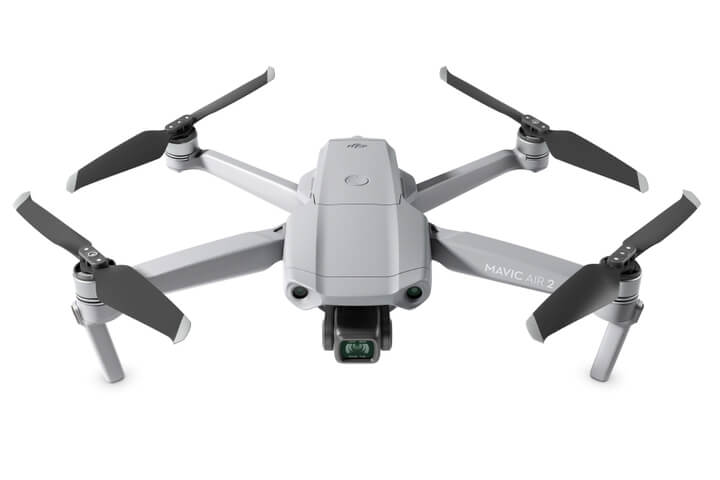
 Free Gifts Included
 Free Gifts Included
Common Questions
Yes, until 31 December 2027, after which it stops being issued. Anyone qualifying from scratch after that date will need an RPC-L1 instead.
No, a GVC issued before that date remains valid for its full five-year term, the cut-off only affects new issuance, not existing certificates.
No, a valid GVC exempts the holder from the RPC-L1 theory test, only the practical flight assessment is required.
No, the annual PDRA01 authorisation cost is the same £524 either way, the difference is in what each certificate can progress toward, not the standing cost.
No, Part A alone covers the same VLOS operations a GVC does. Part B is optional and only relevant once BVLOS work is actually needed.