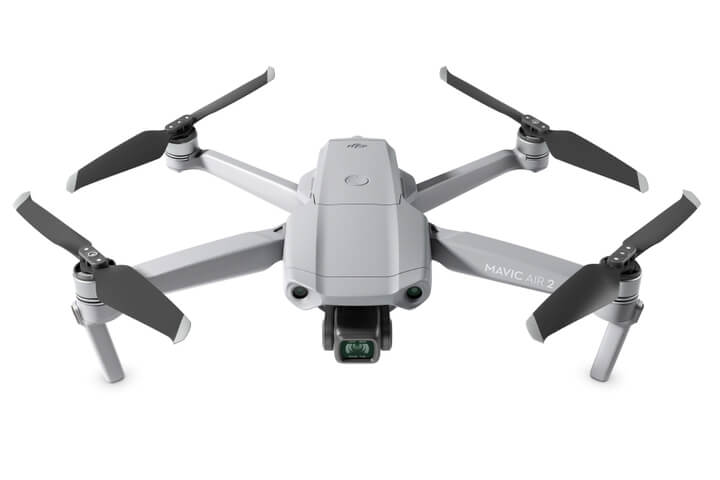
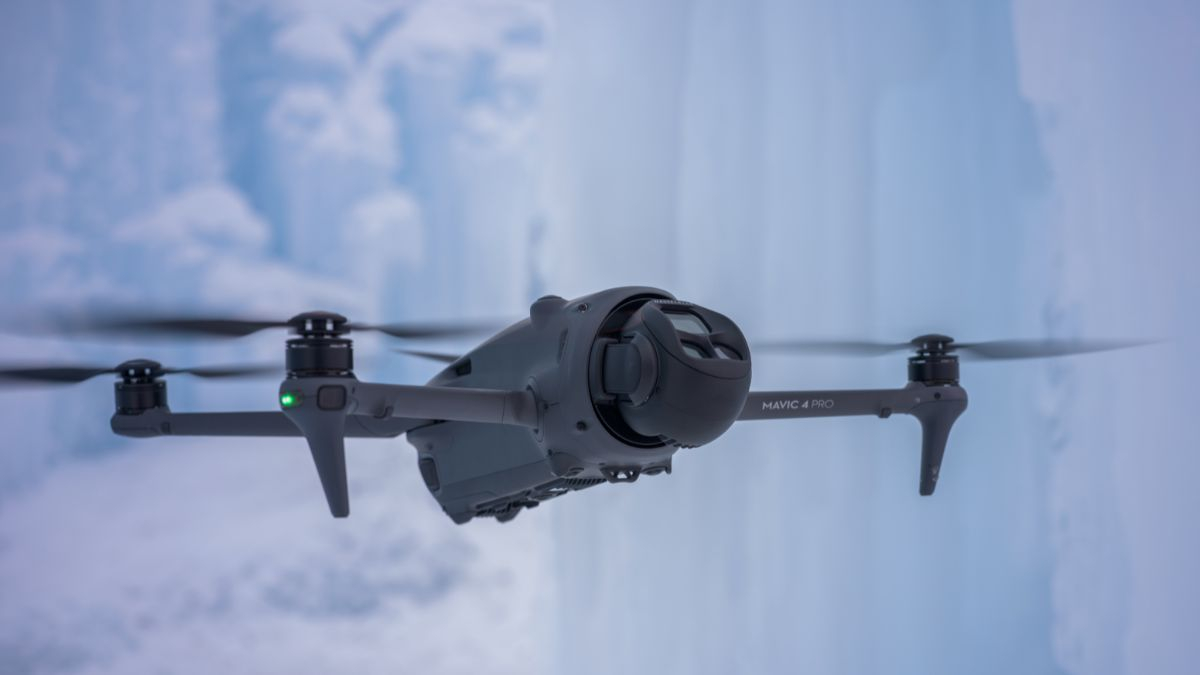
Mavic 4 Pro vs Mavic 3 Pro at a Glance
Spec | Mavic 4 Pro | Mavic 3 Pro |
|---|---|---|
Price | £1,689.00 (in stock) | £1,879.00 (out of stock) |
Main camera | Hasselblad 4/3 CMOS, 100MP, f/2.0-f/11 variable | Hasselblad 4/3 CMOS, 20MP, fixed aperture |
Medium tele | 1/1.3-inch CMOS, 48MP, 70mm | 1/1.3-inch CMOS, 70mm |
Tele | 1/1.5-inch CMOS, 50MP, 168mm | 1/2-inch CMOS, 12MP, 166mm, 7x optical/28x hybrid |
Main camera video | 6K/60fps HDR | 5.1K/50fps |
Weight | 1,063g | 958g |
Flight time | 51 min | 43 min |
Max transmission range | 30km (FCC), 15km (CE) | 15km |
Obstacle sensing | Omnidirectional, forward-facing LiDAR + six fisheye sensors | Omnidirectional binocular vision + infrared |
The Main Camera Is the Biggest Jump
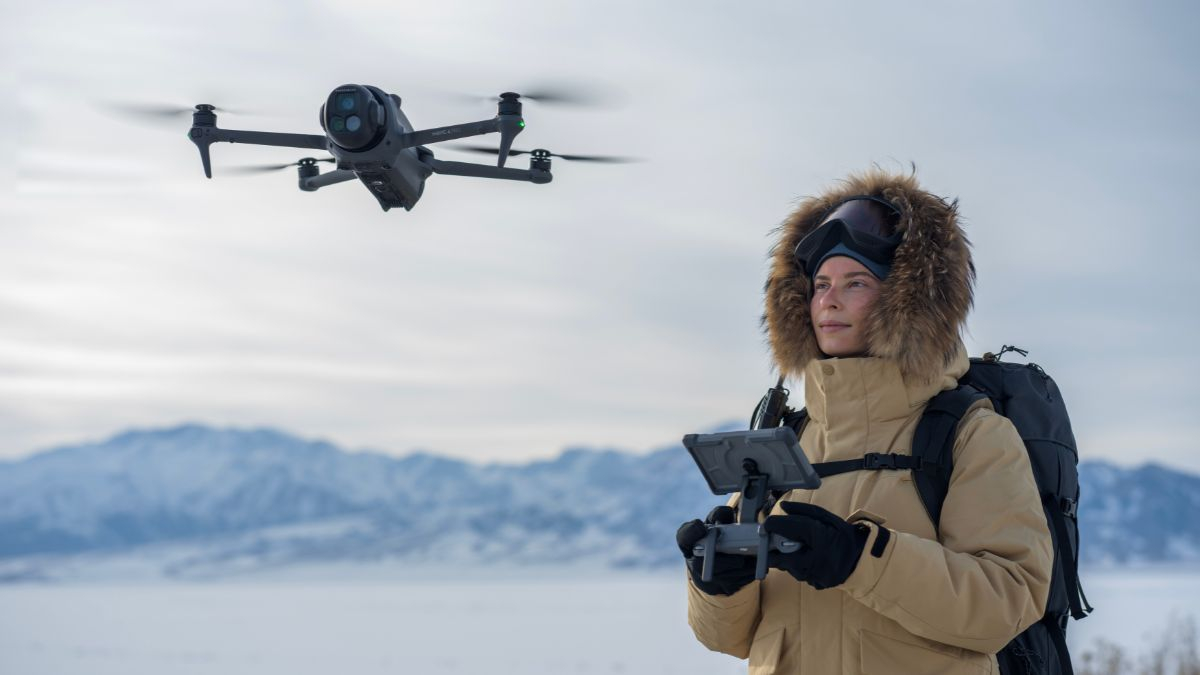
A 100MP sensor at variable aperture gives the Mavic 4 Pro genuine exposure control the Mavic 3 Pro's fixed-aperture 20MP sensor doesn't have, closing down for bright midday shoots or opening up as light fades without relying on ND filters alone. The resolution jump matters for stills and reframing in post, cropping into a 100MP frame still leaves usable detail in a way cropping into 20MP doesn't. Video steps up too, 6K/60fps HDR on the Mavic 4 Pro against 5.1K/50fps on the Mavic 3 Pro.
Flight Time and Range Both Increase
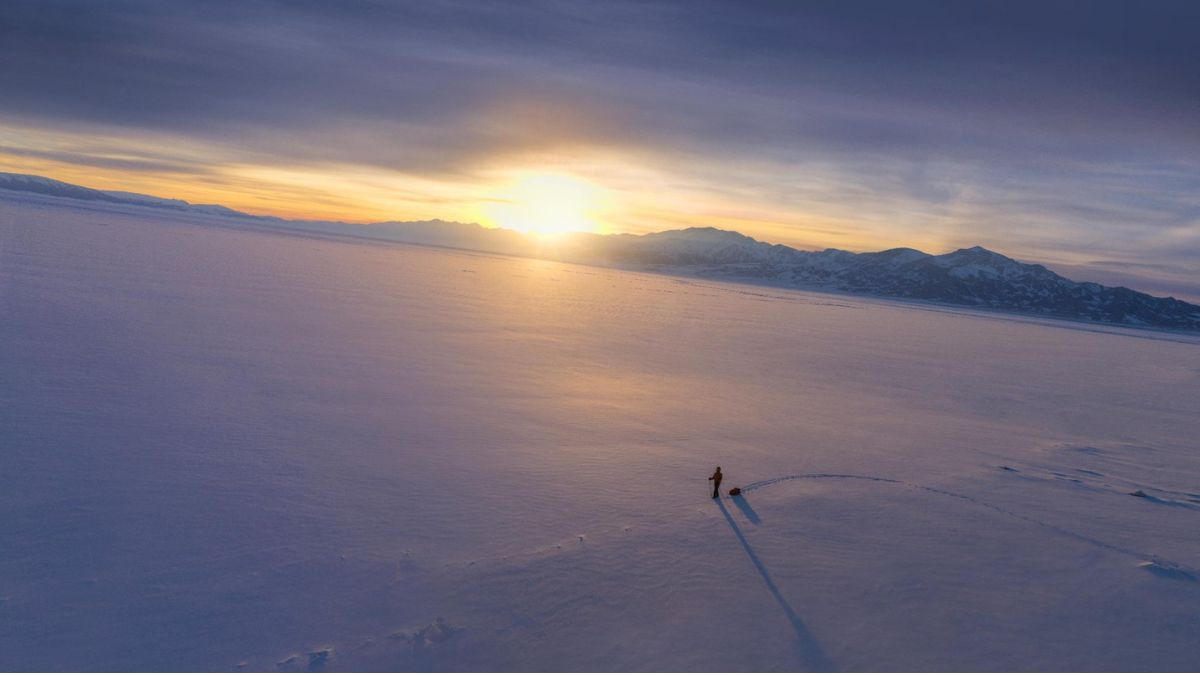
51 minutes against 43 minutes is over 15% more air time per battery on the Mavic 4 Pro, fewer battery swaps across a full day's shoot. The transmission range gap is larger still, 30km FCC on the Mavic 4 Pro's O4+ system against the Mavic 3 Pro's 15km, relevant for anyone flying long corridors or working from a fixed ground position at distance from the subject.
Obstacle Sensing Adds LiDAR
The Mavic 4 Pro's forward-facing LiDAR sits alongside its six fisheye sensors, giving it obstacle detection that keeps working in low light where the Mavic 3 Pro's vision-and-infrared system depends more on ambient light. Both are omnidirectional, the difference is in low-light reliability rather than directional coverage.
 Free Gifts Included
DJI Mavic 3 Pro Fly More Combo (RC)
Purchase From UK's Highest Rated Dealer · 10-bit D-Log
 Free Gifts Included
DJI Mavic 3 Pro Fly More Combo (RC Pro)
Purchase From UK's Highest Rated Dealer · 10-bit D-Log
 Free Gifts Included
DJI Mavic 4 Pro Creator Combo (RC Pro 2)
100MP 4/3 CMOS Hasselblad Camera · F2.0-F11 Variable Aperture Compact High-Res Lens
 Free Gifts Included
DJI Mavic 4 Pro Fly More Combo (RC 2)
100MP 4/3 CMOS Hasselblad Camera · F2.0-F11 Variable Aperture Compact High-Res Lens
Common Questions
It's currently out of stock at Drone Safe Store. The Mavic 4 Pro is in stock and priced lower.
Yes, for cropping and reframing in post-production a 100MP frame retains far more usable detail than a 20MP one, alongside genuine aperture control the Mavic 3 Pro's fixed aperture doesn't offer.
Up to 30km under FCC conditions, double the Mavic 3 Pro's 15km, though CE regions are capped at 15km on the Mavic 4 Pro too.
Slightly, 1,063g against 958g, both still well inside the sub-25kg Open Category weight range.
No, it supplements them, forward-facing LiDAR works alongside six fisheye vision sensors for omnidirectional coverage, with LiDAR specifically improving low-light reliability.