PDRA01, Pre-Defined Risk Assessment 01, is a Specific Category Operational Authorisation with its risk assessment already completed by the CAA. Instead of building a case from scratch the way a SORA-based application does, an operator applies against a fixed set of limits the CAA has already assessed and approved, making it the fastest and cheapest route into Specific Category work for most commercial operations. It's the authorisation sitting behind the great majority of UK survey, inspection and site photography work flown today.
PDRA01's Operational Limits
Factor | Limit |
|---|---|
Distance from uninvolved people | 50m (30m during takeoff and landing) |
Distance from assemblies of people | 50m minimum |
Distance from residential, commercial, industrial and recreational areas | 150m |
Maximum altitude | 120m (400ft) |
Aircraft weight | 250g to 25kg |
Flight type | VLOS only, no BVLOS |
Flying over crowds, dropping items, swarm operations and anything above 120m all sit outside PDRA01's scope, an operation needing any of those has to go through a bespoke SORA-based authorisation instead.
What's Needed to Apply
An applicant needs a valid Flyer ID and Operator ID, plus either a GVC or an RPC-L1, both currently accepted routes into PDRA01. Recent flying experience matters too, a minimum of two hours' flight time in the three months before each of the last three flights, earned in either the Open or Specific Category, keeps a pilot current enough to maintain the authorisation. An Operations Manual built on the CAA's own template, a remote pilot's logbook, an aircraft technical logbook and site survey forms make up the core of the application itself.
Renewal and Ongoing Compliance
PDRA01 runs on a 12-month validity period, with the reapplication window opening 28 days before expiry, worth building into a standing calendar reminder rather than tracking manually. The CAA can carry out a targeted compliance assessment at any point during that year, and failing to respond to one within 28 days suspends the authorisation, so keeping the Operations Manual, logbooks and records genuinely current matters beyond just the renewal date itself.
PDRA01 vs a SORA-Based Authorisation
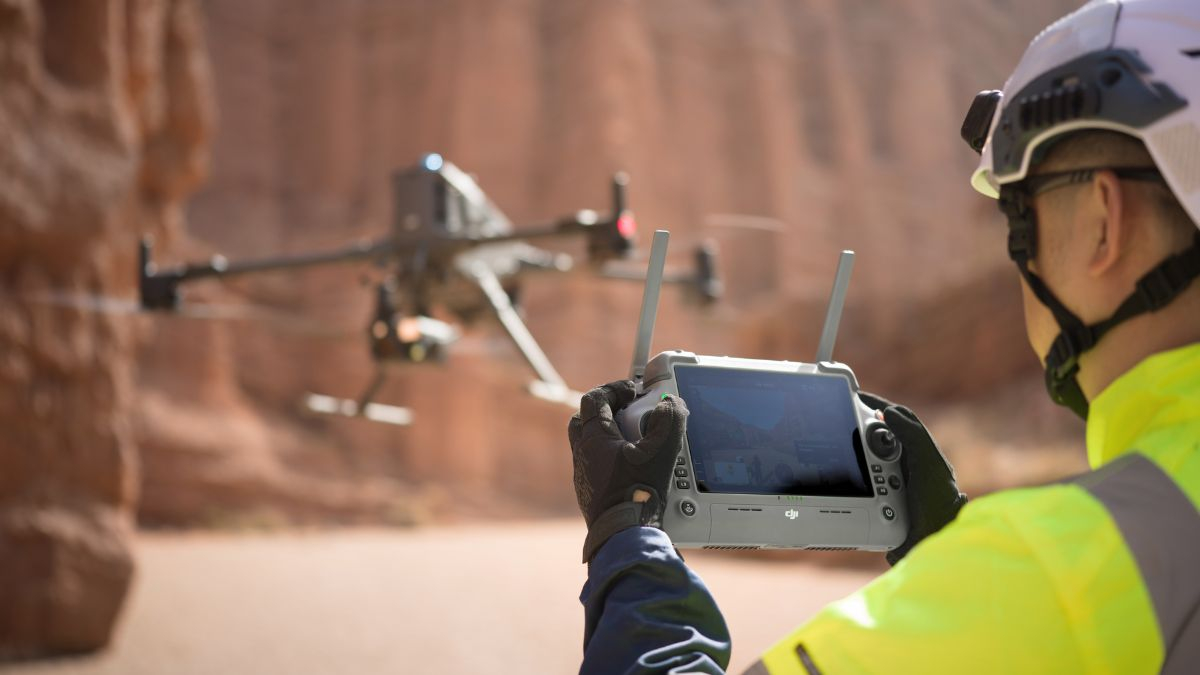
PDRA01 suits standard commercial missions inside its own limits, roof inspections, property photography, construction monitoring, anything flown VLOS within 50m of uninvolved people and under 120m. UK SORA becomes the relevant route once an operation needs BVLOS capability, operates above 120m, involves aircraft over 25kg, or needs anything PDRA01 doesn't cover, crowd operations, item dropping, swarm flights. For most enterprise survey and inspection work in the DJI Matrice range, PDRA01 is the authorisation actually being flown under, SORA only enters the picture once a specific job pushes past its limits.
 Free Gifts Included
 Free Gifts Included
Common Questions
Either currently qualifies, the CAA accepts both as valid routes into PDRA01, though the GVC stops being issued from 31 December 2027, covered in full in our RPC-L1 vs GVC guide.
Published figures vary slightly by source, generally cited in the region of £500 a year, worth confirming against the CAA's current fee schedule directly before budgeting, since this is the kind of figure that moves between renewal cycles.
No, PDRA01 is VLOS only. Any BVLOS work needs a separate authorisation, most commonly a SORA-based one, covered in our What Is UK SORA? and What Is BVLOS? guides.
The authorisation is suspended if there's no response within 28 days, so an active PDRA01 needs its Operations Manual, logbooks and records kept genuinely current, not just updated at renewal.
No, PDRA01 covers aircraft between 250g and 25kg. Anything heavier needs a SORA-based Operational Authorisation instead.