The Spec Comparison at a Glance
Spec | Matrice 4E | Matrice 400 |
|---|---|---|
Price | £3,940.00 (integrated cameras included) | £8,180.00 Drone Only, £10,650.00 Worry-Free Plus Combo (no payload included) |
Camera | Built in: 20MP wide, 48MP medium tele, 48MP telephoto | None included; payload bought separately (H20, H30 series, P1, L2, L3 and others) |
Payload capacity | Fixed integrated payload only | 6kg total, third connector alone rated up to 6kg |
Takeoff weight | 1,219g | Up to 15.8kg |
Max flight time | 49 min | 59 min (with H30T payload fitted, no wind) |
RTK accuracy | 1cm + 1ppm horizontal, 1.5cm + 1ppm vertical | 1cm + 1ppm horizontal, 1.5cm + 1ppm vertical, heading better than 2° |
Transmission | O4 Enterprise, 25km FCC / 12km CE | O4 Enterprise Enhanced, 40km FCC / 20km CE |
Obstacle sensing | Omnidirectional binocular vision plus 3D infrared at the bottom; forward/lateral to 200m, downward to 18.8m | Omnidirectional binocular vision, rotating LiDAR (0.5-100m), upper LiDAR (0.5-25m), six-direction mmWave radar |
IP rating | Not rated (no standard protection level specified) | IP55 |
Integrated Payload vs Modular Platform
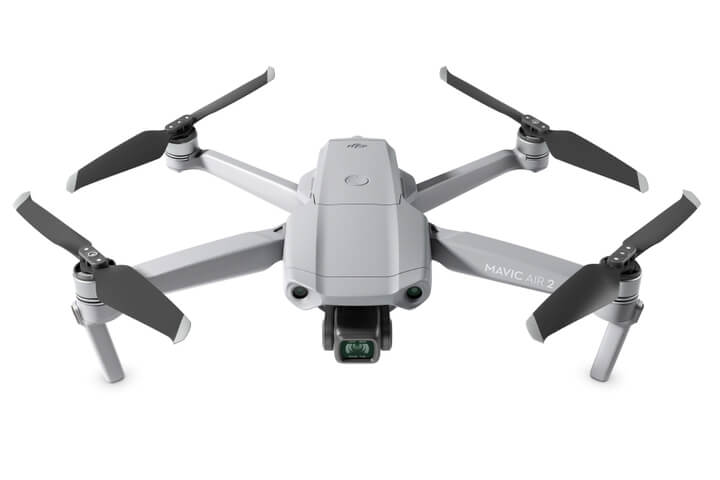
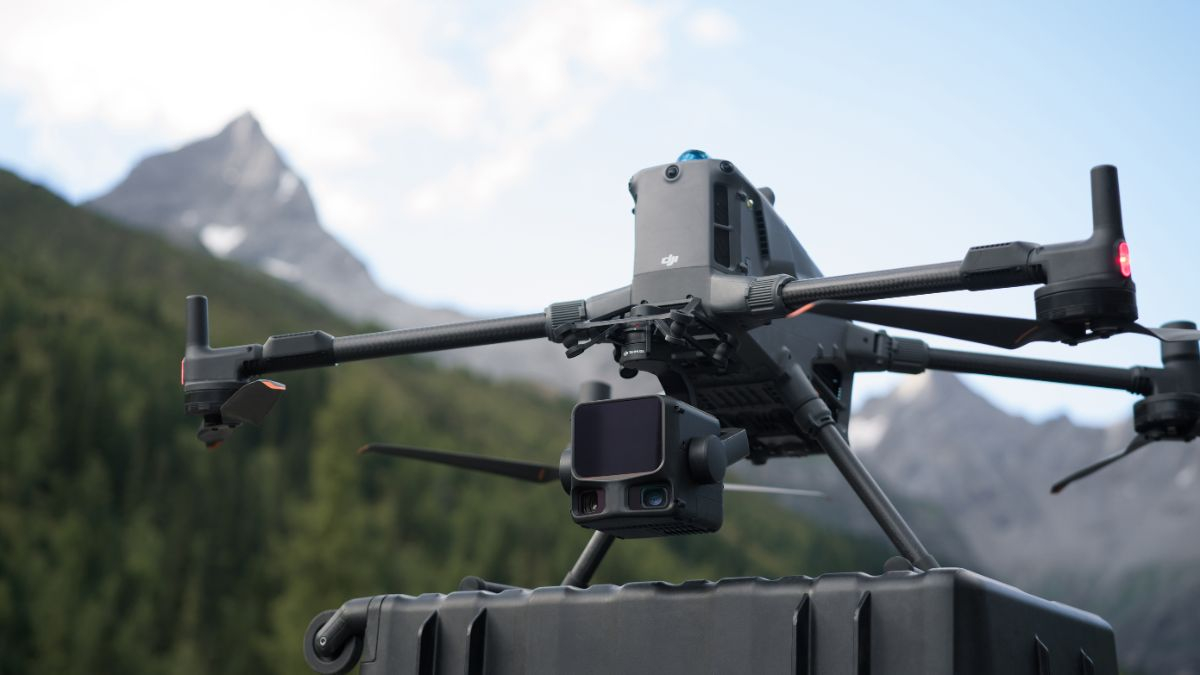
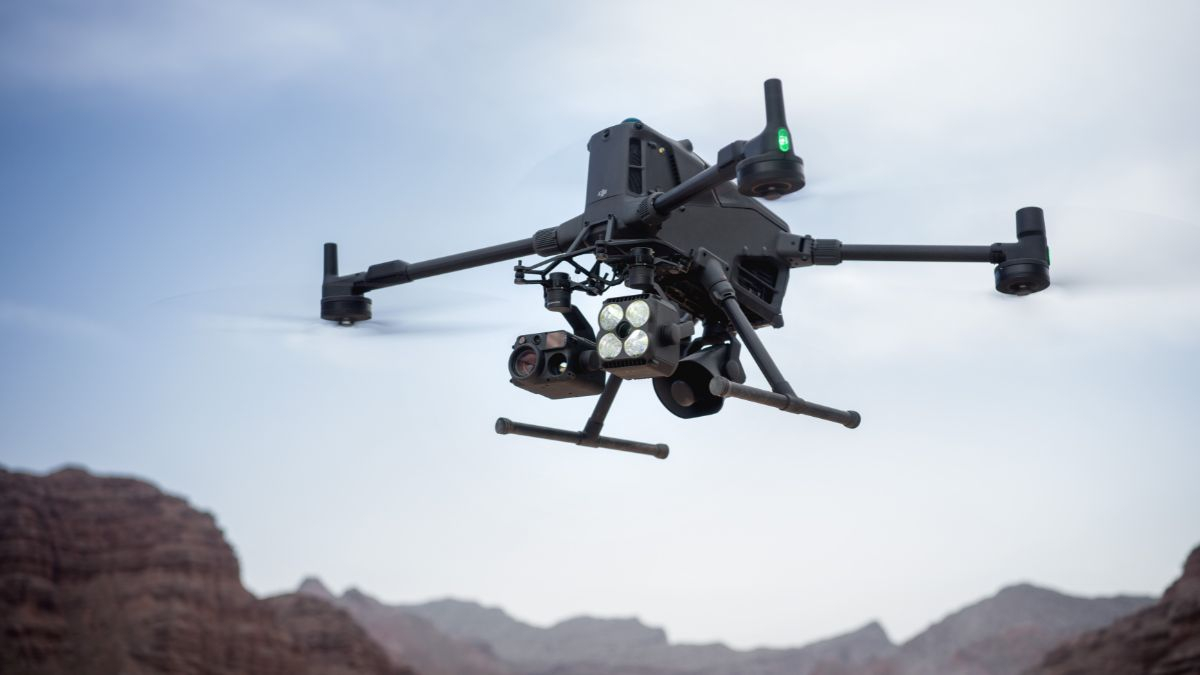
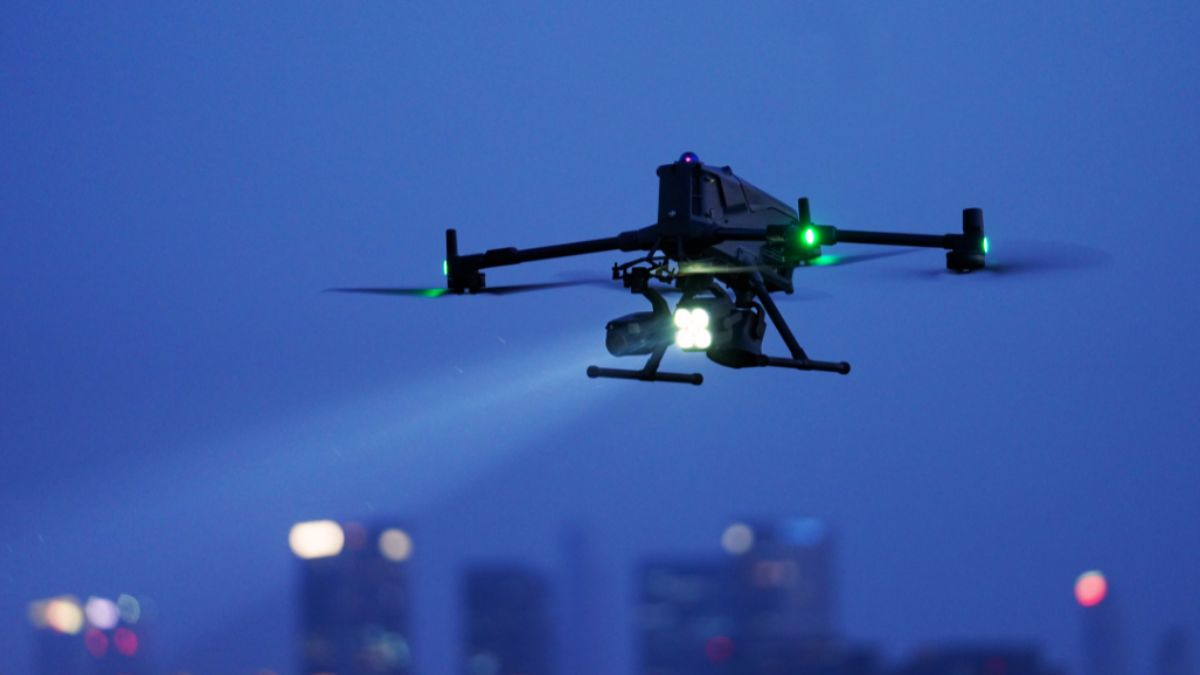
The M4E does one job well: mapping and inspection with a fixed triple-camera set, nothing further to buy, at a fraction of the M400's entry price. The M400 is built the opposite way, an airframe designed to carry whatever the job calls for, a LiDAR unit for corridor mapping one flight, a long-range thermal and zoom payload the next, swapped rather than fixed to the airframe. This is the same structural split covered in the M4E vs Matrice 350 RTK comparison, the M400 is DJI's newer, higher-specification version of that same modular platform class.
Transmission Range and Obstacle Sensing Favour the M400
40km FCC against the M4E's 25km is a genuine difference for corridor or perimeter work covering real distance from one launch point, and the M400's added rotating LiDAR, upper LiDAR and six-direction mmWave radar go beyond the M4E's vision-plus-infrared system, particularly flying close to structures or in cluttered industrial sites. Neither aircraft's obstacle sensing is a reason to skip proper site planning, but the M400's sensor suite gives more margin in complex environments.
Weight, IP Rating and Deployment
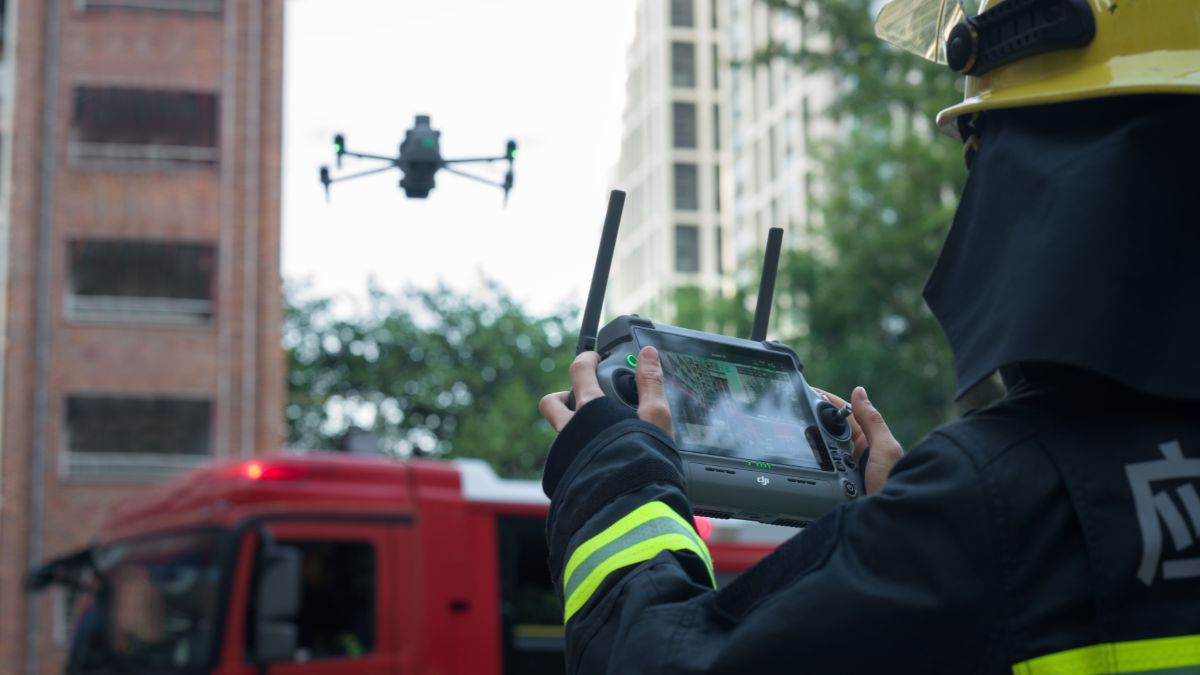
1,219g against up to 15.8kg is a difference in kind, not degree. The M4E travels in a single case and deploys by one operator in minutes; the M400 is a larger, heavier platform suited to planned deployments with a vehicle nearby rather than a walk-in site visit. The M400 also carries an IP55 rating where DJI doesn't specify a standard ingress protection level for the M4E, worth factoring in for routine work in wet or dusty conditions.
Choosing Between the M4E and Matrice 400
Mapping and inspection work fully covered by a fixed triple-camera set, at a much lower entry price with nothing further to buy, points toward the M4E. Work needing a specific payload the M4E doesn't carry, LiDAR corridor mapping, full-frame photogrammetry, a long-range thermal and zoom combination, or multiple payloads flown together, needs the M400's payload capacity and points there instead, budget for the airframe and payload together allowing for it.

DJI Matrice 4E RTK Bundle
The Ultimate Mapping Package · D-RTK 3, Tripod & Four Batteries Included
 Free Gifts Included
Common Questions
No, neither M400 listing includes a payload. A camera, thermal unit or LiDAR sensor is chosen and bought separately.
No, the M4E's camera set is fixed to the airframe. Zenmuse payloads are built for the modular Matrice 400 and 350 RTK platforms.
The M400, at 40km FCC against the M4E's 25km FCC, using DJI's O4 Enterprise Enhanced system.
The M400 carries an IP55 rating. DJI doesn't specify a standard ingress protection level for the M4E, worth factoring in if the work involves routinely wet or dusty sites.
Because its price is for the airframe alone. A working setup needs a payload added on top, and payloads like the Zenmuse P1 or H30T cost several thousand pounds each.