
The Comparison at a Glance
Factor | DJI D-RTK 3 | Emlid Reach RS4 |
|---|---|---|
Price | £1,369.00 | £3,599.00 (RS3 £2,699.00) |
Base station accuracy | 1.0cm + 1ppm horizontal, 3.0cm + 1ppm vertical (network RTK calibrated) | 7mm + 1ppm horizontal, 14mm + 1ppm vertical |
Rover accuracy | 0.8cm + 1ppm horizontal, 1.5cm + 1ppm vertical | 7mm + 1ppm horizontal, 14mm + 1ppm vertical |
Pairing to a DJI aircraft | Native, Broadcast Mode selection inside DJI Pilot 2 | Via NTRIP or Emlid Caster through DJI Pilot 2's Custom Network RTK setting |
Transmission range to aircraft | 15km FCC to most DJI Enterprise aircraft, up to 40km FCC to the Matrice 400 | No fixed range published by Emlid; broadcasts over UHF (up to 2W) or LoRa (up to 1W) |
PPK / raw data logging | Yes, RTCM 3.2 raw observation data in DAT format | Yes, 16GB internal storage |
Modes on one unit | Base, relay and rover, switched on the same hardware | Base and rover, switched on the same hardware |
Works outside the DJI ecosystem | No, built and documented for DJI aircraft pairing specifically | Yes, any NTRIP-compatible receiver, GIS collection, land surveying, non-DJI RTK equipment |
Weight | 1.26kg | 927g |
IP rating | IP67 | IP68 |
Emlid's own positioning accuracy figure is actually tighter on paper, 7mm against the D-RTK 3's 1.0cm horizontal, though both sit well within normal survey and mapping tolerances once a fix is locked. The bigger practical differences are in setup and what each unit can do beyond flying a DJI drone.
Native Pairing vs NTRIP Configuration
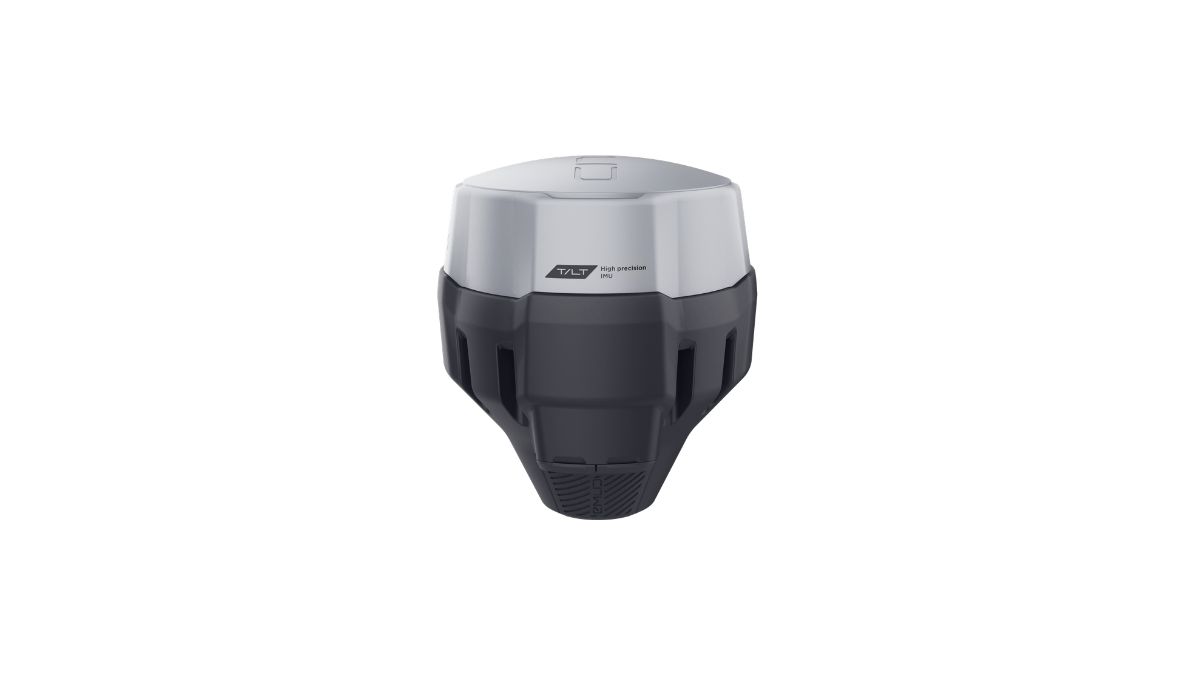
The D-RTK 3 pairs directly. Select D-RTK Base Station as the correction source in the aircraft's RTK settings, choose the specific unit from a scanned list, and later flights reconnect automatically. No network account, caster address or port number to configure.
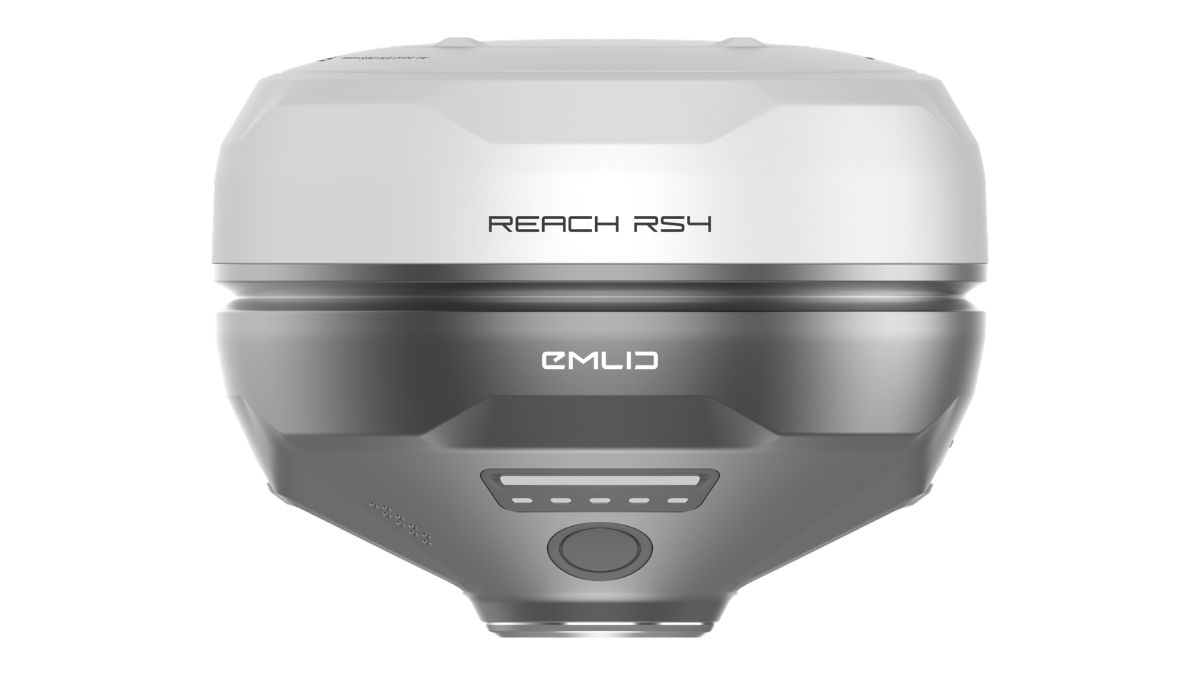
An Emlid receiver reaches the aircraft through DJI Pilot 2's Custom Network RTK setting instead, pointed at either a Local NTRIP connection broadcasting from the receiver itself or Emlid's own Caster service. That setup involves an extra step DJI's own hardware doesn't need, entering server details on the controller, and the controller needs its own internet connection to reach the correction stream, a dependency the D-RTK 3's local radio link doesn't have. Our Emlid and DJI Enterprise guide covers that setup in full.
Range Is Published Differently
DJI states a specific range for the D-RTK 3: 15km FCC to most DJI Enterprise aircraft, extending to 40km FCC specifically for the Matrice 400. Emlid doesn't publish an equivalent fixed-distance figure for the RS4's UHF or LoRa radios the way DJI does, so that isn't a direct comparison to make from the spec sheets alone. In practice, an Emlid receiver reaching a DJI aircraft over NTRIP or Caster isn't limited by radio range at all, since the correction travels over the internet rather than a local broadcast.


What Each One Can Do Beyond a DJI Aircraft
The D-RTK 3 is built and documented specifically for pairing with DJI aircraft. Its rover mode pairs over Bluetooth to the DJI Enterprise app within 30m, a DJI-ecosystem tool for ground control point capture rather than a general-purpose survey instrument.
An Emlid receiver does the same DJI-drone correction job but isn't limited to it. The same RS4 works as a rover with any NTRIP-compatible network, on GIS data collection in Emlid Flow, or as part of a land survey workflow with no drone involved at all. A team already running Emlid receivers for other survey work extends that same hardware to DJI drone corrections rather than adding a second, DJI-only device.
PPK and Multi-Aircraft Support
Both log raw data for PPK processing, the D-RTK 3 in RTCM 3.2 DAT format, the RS4 to its 16GB internal storage. Both also broadcast to more than one receiver at once in base station mode rather than pairing to a single unit, so either supports a multi-aircraft or multi-rover site from one base.

Choosing Between the D-RTK 3 and an Emlid Receiver
A DJI-only operation, or a team that wants the simplest possible base station setup with no NTRIP configuration to manage, gets more straightforward value from the D-RTK 3 at £1,369.00. Its native pairing and confirmed range figures make it the lower-friction choice for a fleet that's entirely DJI aircraft.
A team already using Emlid receivers for other survey work, or one that wants a single GNSS receiver covering DJI drone corrections, GIS collection and general land survey, gets more use out of an RS4 or RS3 despite the higher upfront cost. The receiver isn't stranded if the fleet ever adds a non-DJI aircraft or a ground survey job with no drone at all.
 Free Gifts Included

 Free Gifts Included
 Free Gifts Included
Common Questions
Emlid's own figure is slightly tighter on paper, 7mm against the D-RTK 3's 1.0cm horizontal, but both deliver accuracy well within normal survey and mapping tolerances once RTK FIX is achieved.
Not quite. The D-RTK 3 pairs natively in DJI Pilot 2 with no network setup. An Emlid receiver reaches the aircraft through NTRIP or Emlid Caster, an extra configuration step the D-RTK 3 doesn't need.
It's built and documented specifically for DJI aircraft pairing. Its rover mode is a DJI Enterprise app tool for ground control point capture rather than a general-purpose survey receiver.
Yes, both log raw data for post-processing, the D-RTK 3 in RTCM 3.2 DAT format and the RS4 to its 16GB internal storage.
Yes, both the D-RTK 3 and the Emlid RS4 broadcast to multiple receivers simultaneously in base station mode rather than pairing to a single unit.