Output Power: the Power 2000 Still Leads
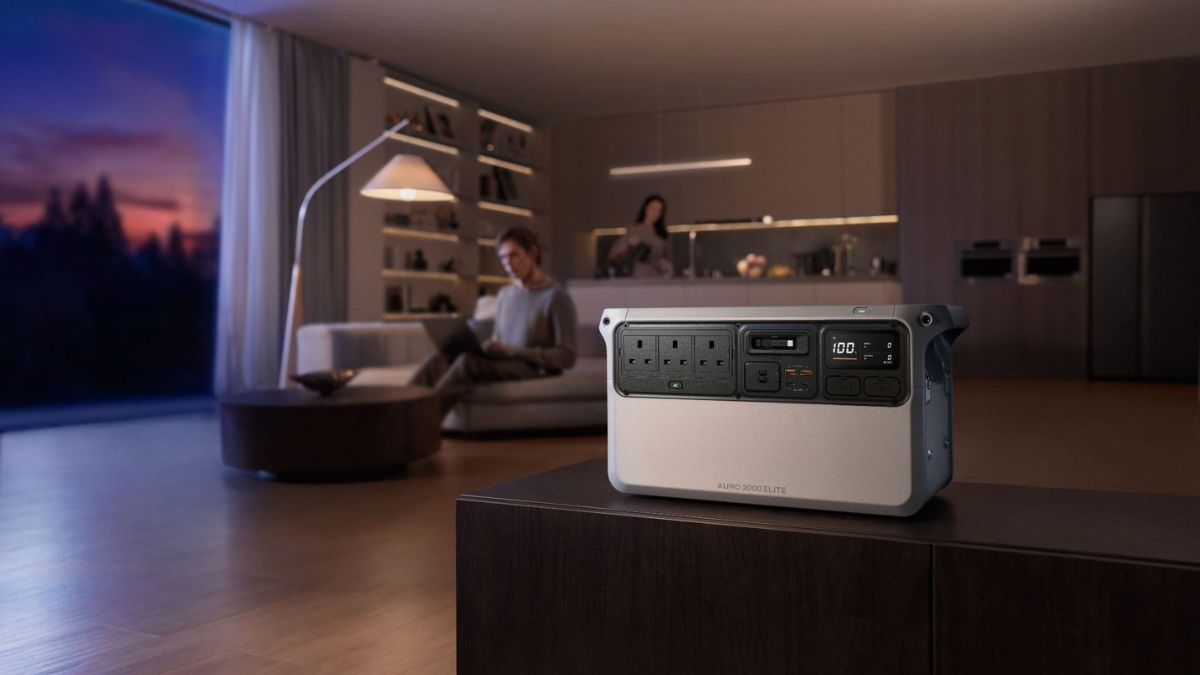
Continuous output on the Power 2000 reaches 3000W against the Auro 2000 Elite's 2000W, a gap that matters directly for running higher-draw tools or appliances off a single unit rather than load-balancing across two. DJI positions the Auro 2000 Elite's smaller size and built-in charging as the trade-off for that lower ceiling, not as a straight upgrade on power output. A buyer choosing on wattage alone, running power tools or multiple high-draw devices simultaneously, is better served by the Power 2000's higher continuous figure.

Built-In Charging vs Separate Accessories
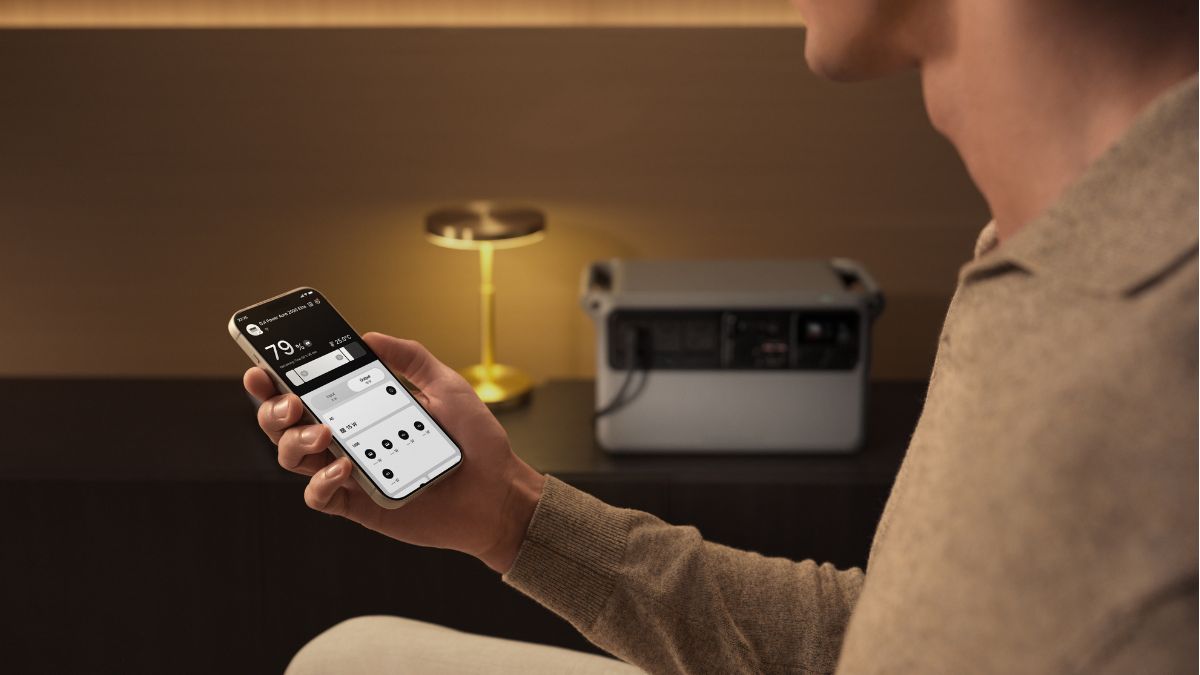
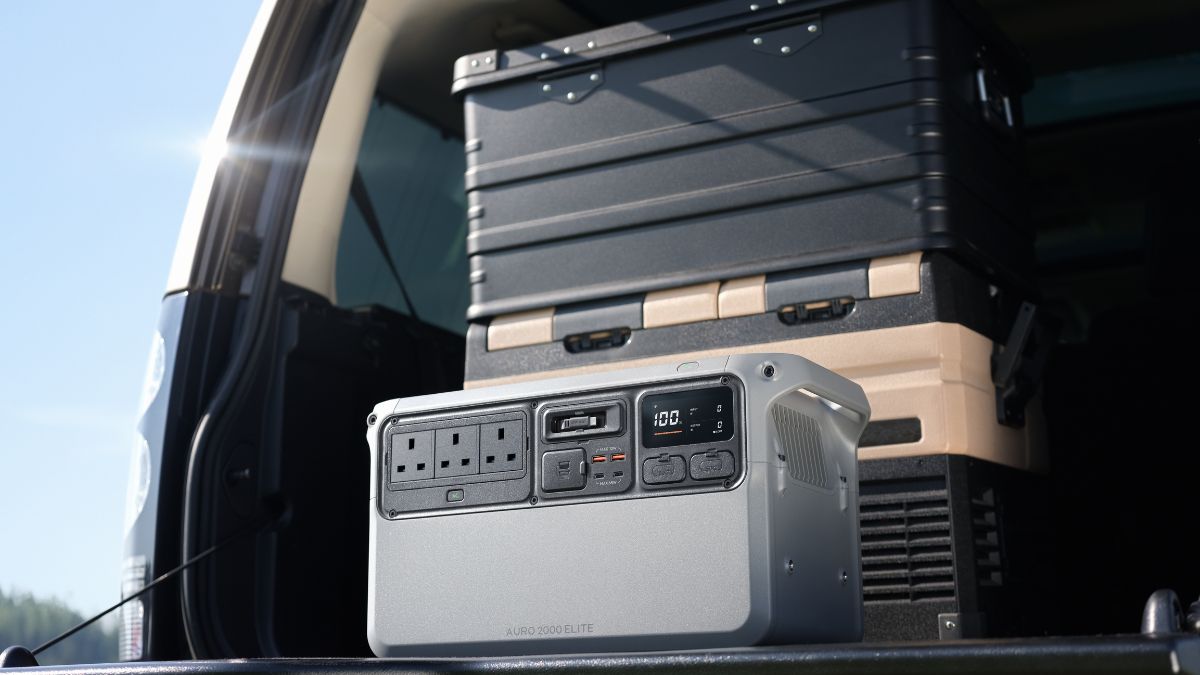
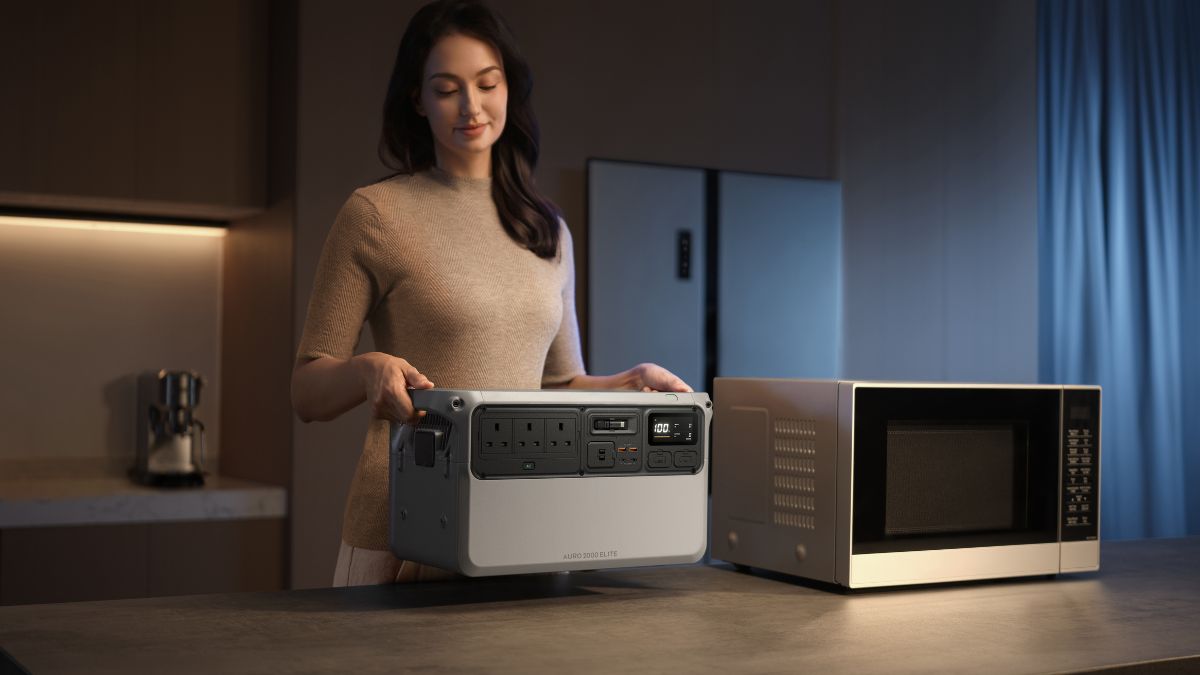
The Power 2000 needs the separate DJI Power 1kW Super Fast Car Charger or 1.8kW Solar/Car Super Fast Charger for car charging, and the separate DJI Power Solar Panel Adapter Module for solar input via up to three panels, each one an additional purchase and another cable to carry. The Auro 2000 Elite folds both into the unit itself: a built-in car charger connects straight to a vehicle battery, and an integrated MPPT module runs solar input through the same dual SDC ports, up to 1200W combined for a full recharge in around 2.7 hours. For a field crew that doesn't already own the Power 2000's separate chargers, this removes a line item from the kit rather than adding one.
Charging Speed and Port Count
AC charging favours the Power 2000 slightly, 55 minutes to 80% at 1800W input against the Auro 2000 Elite's 60 minutes at 2000W input. Port count favours the Power 2000 more clearly: four USB-C ports (two at 140W, two at 65W), four USB-A ports, four AC outlets and two SDC ports, against the Auro 2000 Elite's smaller, more consolidated panel built around a single 140W retractable USB-C cable and two SDC ports. A site running several devices off AC and USB simultaneously has more headroom on the Power 2000; a single-operator field setup gets a tidier footprint on the Auro 2000 Elite.
Drone Battery Charging on Both
SDC fast charging for drone batteries runs at up to 240W on both units, each taking a compatible Intelligent Flight Battery from around 10% to 95% in roughly 35 minutes via the separate DJI Power Fast Charge Cable for Drones. The Auro 2000 Elite's press materials additionally confirm a DJI Power SDC to PoE Power Cable for running a DJI O4 Ground Station directly from the unit, a specific field use case not confirmed in Power 2000 documentation. Neither cable ships in the box with either unit.
Expansion Ecosystem
The Power 2000's expansion path is live now: the DJI Power Expansion Battery 2000 chains up to ten units for a maximum of 22,528Wh, giving a fleet a clear route to scale well past the base unit's capacity today. The Auro 2000 Elite scales to a lower 12kWh ceiling across five chained units, and DJI has confirmed that expansion battery won't launch alongside the main unit, so that scaling path isn't available at launch.
What Actually Changes Between the Two
The Auro 2000 Elite suits a buyer prioritising built-in car and solar charging, a smaller and lighter unit, and doesn't need more than 2000W continuous output or an expansion path today. The Power 2000 suits a buyer who needs the higher 3000W output, the wider port array, or a proven expansion battery ecosystem available to order now rather than launching later. Both share the same 240W SDC drone battery fast charging, so that capability isn't a deciding factor either way.
Frequently Asked Questions
The Power 2000, at 3000W continuous against the Power Auro 2000 Elite's 2000W.
No, DJI hasn't announced a discontinuation. The two sit alongside each other with different trade-offs between output, size and built-in charging.
AC charging to 80% is marginally faster on the Power 2000, 55 minutes against the Power Auro 2000 Elite's 60 minutes, though the Auro 2000 Elite's built-in car and solar charging removes the need for separate chargers the Power 2000 requires for those same paths.
Yes, both support up to 240W SDC fast charging for compatible Intelligent Flight Batteries via the separately sold DJI Power Fast Charge Cable for Drones.
The Power 2000, scaling to 22,528Wh across ten expansion batteries available now, against the Power Auro 2000 Elite's 12kWh ceiling across five units, with that expansion battery not yet launched.