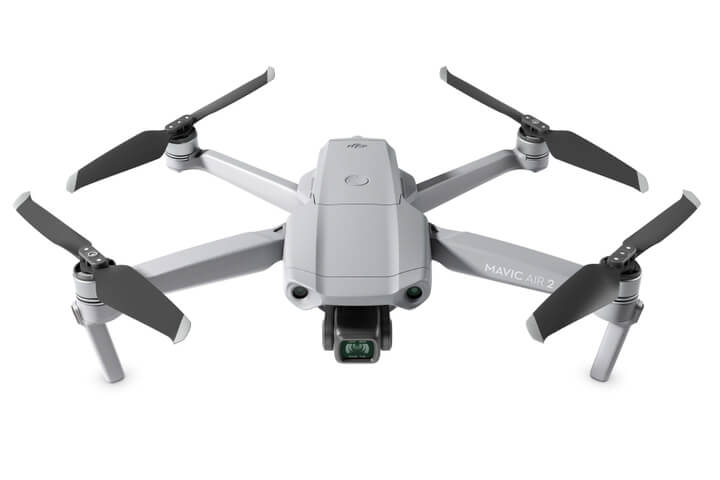
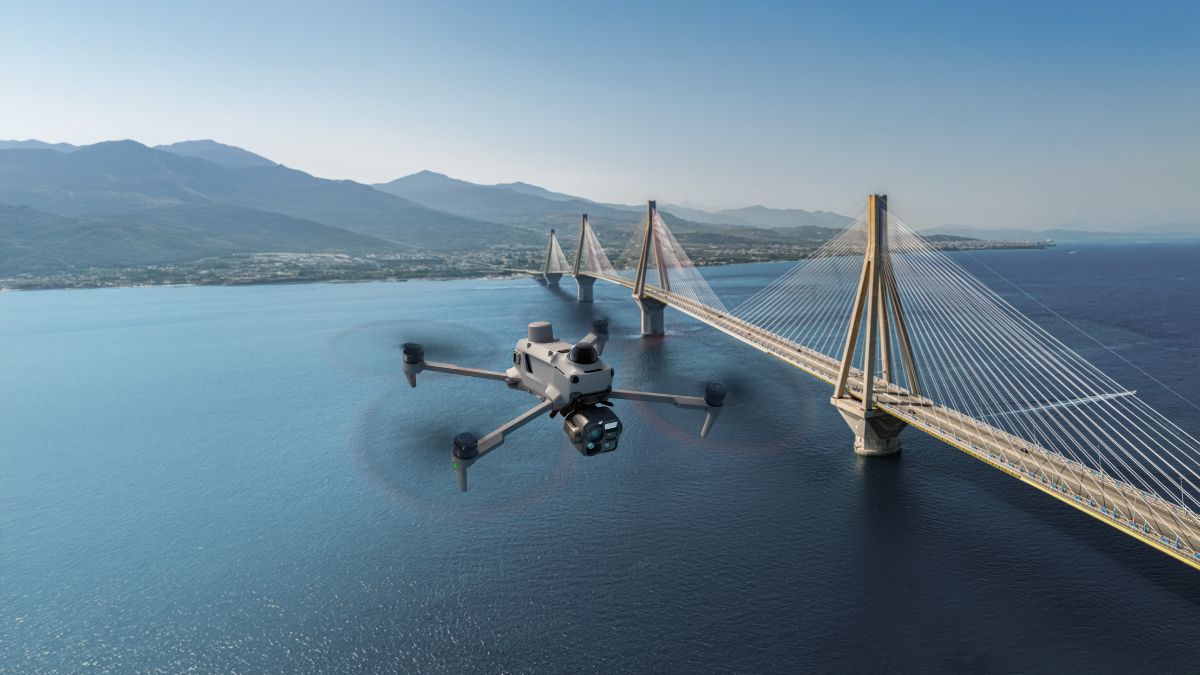
DJI Matrice 5T vs Matrice 4T
The Matrice 5T flies to 59 minutes maximum flight time against the Matrice 4T's 49, doubles the native thermal resolution to 1280×1024, and adds standard LiDAR and mmWave radar to the perception suite where the Matrice 4T relies on omnidirectional binocular vision and 3D infrared alone. Both fly as standalone, handheld-controller aircraft rather than from a dock, but the Matrice 5T pairs with the newer RC Plus 3 Enterprise rather than the Matrice 4T's RC Plus 2 Enterprise.
The Spec Comparison at a Glance
Spec | Matrice 5T | Matrice 4T |
|---|---|---|
Max flight time | 59 minutes | 49 minutes |
Thermal camera resolution | 1280×1024, 2K UHR mode | 640×512, dual-gain |
Max hybrid zoom | 176x | 112x |
Video transmission (CE/UK) | 20km | 12km |
IP rating | IP55 | Not IP-rated |
Obstacle sensing | Standard LiDAR, mmWave radar, full-colour omnidirectional vision, Vision Assist | Omnidirectional binocular vision, 3D infrared (no LiDAR or radar) |
Remote controller | DJI RC Plus 3 Enterprise | DJI RC Plus 2 Enterprise |
Price | POA | £5,085.00 new / £4,839.00 open box |
Thermal Imaging and Zoom
Native thermal resolution doubles to 1280×1024 on the Matrice 5T against the Matrice 4T's 640×512, with a 2K UHR mode adding further detail to a still frame. Hybrid zoom reaches up to 176x against the Matrice 4T's 112x, and a 3km laser rangefinder gives the Matrice 5T a distance-measurement capability the Matrice 4T's spec sheet doesn't carry. A full-colour wide-angle night vision camera built around a 1/0.98-inch sensor extends the Matrice 5T's usable visual range after dark, running alongside thermal-visible fusion display and split-screen multi-camera view rather than switching between feeds.
Perception Suite and Obstacle Sensing
The Matrice 4T's obstacle sensing runs on omnidirectional binocular vision and 3D infrared only, forward and backward to 200m, lateral to 32m and downward to 18.8m, with no LiDAR or mmWave radar fitted. The Matrice 5T adds both as standard, combined with full-colour omnidirectional vision and Vision Assist, a meaningfully different sensing architecture rather than an incremental upgrade to the same system. Built-in ADS-B and Remote ID receivers on the Matrice 5T add awareness of nearby crewed and uncrewed aircraft directly into the airframe's own sensing, a capability the Matrice 4T's documented spec doesn't include.
Flight Performance and Transmission
Maximum flight time extends to 59 minutes against the Matrice 4T's 49, and maximum flight speed reaches 23 m/s, relevant on a corridor inspection or dispatch job where distance covered matters as much as what the camera captures on arrival. Video transmission tops out at 40km under IC compliance but drops to a 20km maximum under CE, the figure that applies across the UK and EU, against the Matrice 4T's O4 Enterprise transmission at 12km under the same CE compliance. Dual built-in Cellular Dongle 2 modules add 4G connectivity to the Matrice 5T without external hardware, and adaptive multi-band switching resists interference automatically.
Onboard AI and Open Computing
Built-in AI models on the Matrice 5T detect more than 20 target types onboard before a single frame reaches FlightHub 2, and open onboard computing lets a business run its own third-party AI algorithms directly on the aircraft. This is a materially different proposition from the Matrice 4T, which carries no equivalent open onboard computing capability in its documented spec. For a fleet already building custom detection workflows or integrating third-party AI, this difference alone can outweigh the camera and flight time gaps.
Controller and Core Accessories
The Matrice 5T pairs with the newer DJI RC Plus 3 Enterprise, while the Matrice 4T uses the RC Plus 2 Enterprise, the two controllers aren't cross-compatible between airframes. A high-volume speaker with a built-in warning light and an integrated spot and flood spotlight extend the Matrice 5T directly into public safety and security work, and a 515W Charging Hub speeds battery turnaround between flights on a multi-sortie day.
What Actually Changes Between the Two
The perception suite is the headline difference: LiDAR and mmWave radar on the Matrice 5T against binocular vision and infrared alone on the Matrice 4T changes what each aircraft can safely fly near, not just how long it stays airborne. The thermal resolution, zoom range and onboard AI detection gaps matter most on detailed inspection, public safety response and any workflow built around custom AI algorithms. A fleet that doesn't need the extended perception suite, the higher zoom or open onboard computing, and that already has confirmed Matrice 4T pricing to work with, isn't short-changed by staying on the established platform.
Common Questions
No, the perception suite is a different architecture rather than an incremental update. The Matrice 5T adds standard LiDAR and mmWave radar; the Matrice 4T relies on omnidirectional binocular vision and 3D infrared only.
No, the Matrice 5T pairs with the newer DJI RC Plus 3 Enterprise, a separate controller from the Matrice 4T's RC Plus 2 Enterprise.
Not as part of this launch. The Matrice 4T remains available with confirmed UK pricing and stock.
The Matrice 5T, at up to 20km under CE compliance, against the Matrice 4T's 12km under the same O4 Enterprise transmission standard