Discover the Best Drone for Kids This Christmas
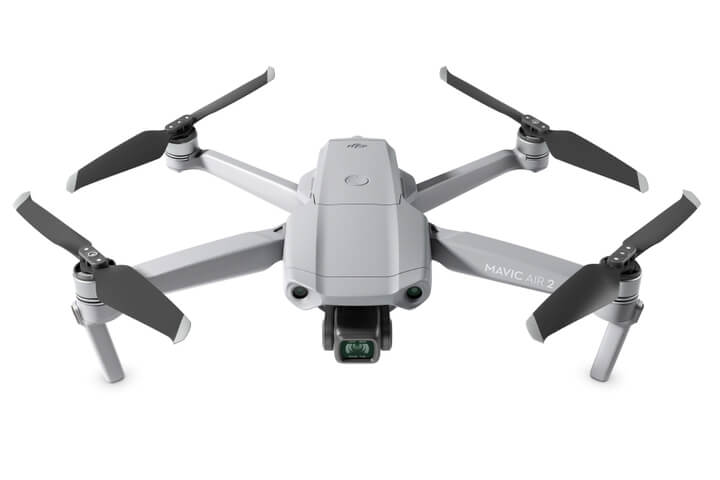
A child's first drone needs to survive the first fortnight of crashes, be simple enough to fly without a lengthy setup, and capture footage worth showing off afterward. The DJI Neo 2 covers all three: a fully guarded propeller design that shrugs off the inevitable wall and ceiling collisions, palm takeoff and gesture control that skips the controller learning curve entirely, and a 12MP camera shooting 4K video.
DJI Neo 2 - Best Drone For Kids
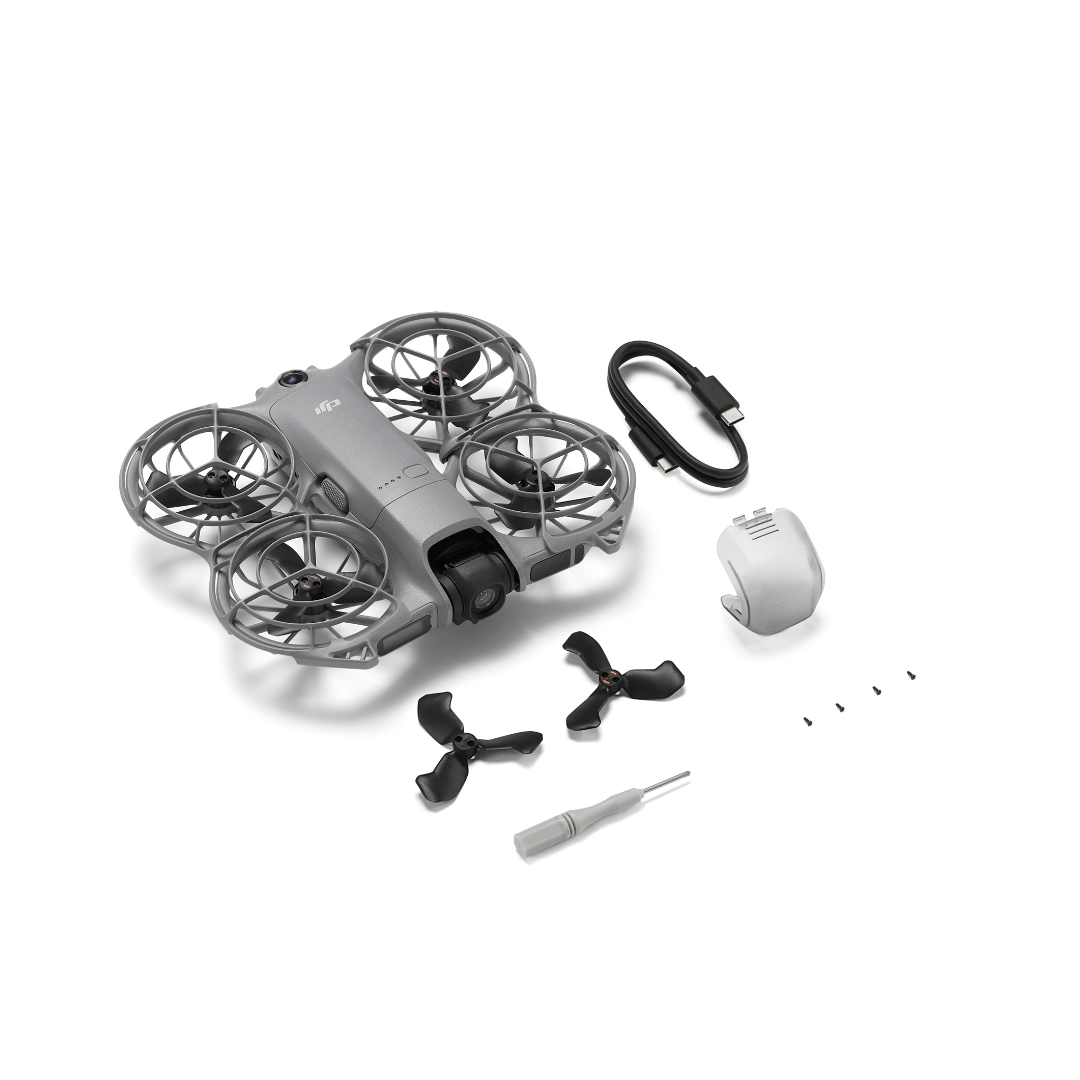
At 151g, the DJI Neo 2 sits above the new 100g registration threshold but comfortably under 250g, keeping it in the most permissive category for where and how it can be flown. Omnidirectional obstacle sensing, including forward-facing LiDAR and downward infrared, catches the walls and furniture a first-time pilot won't see coming, and the integrated propeller guards mean most bumps end in a bounce rather than a broken blade.
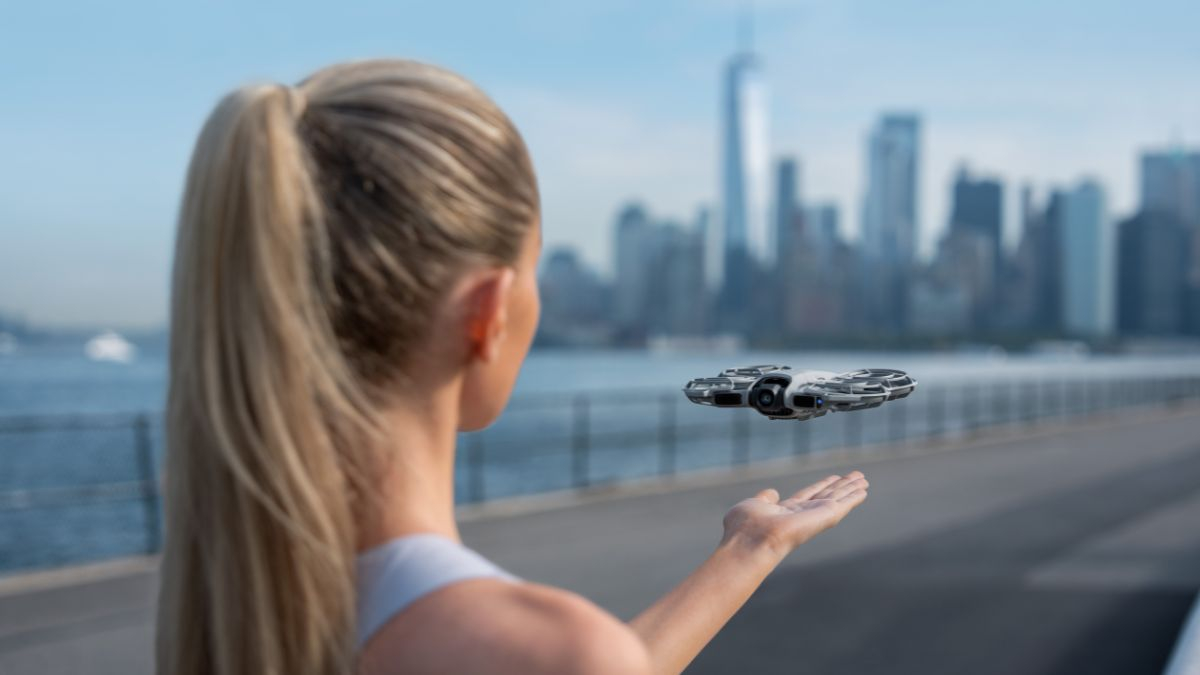
Launch and land by hand - point the Neo 2 at yourself and press takeoff, no controller required for a first flight.
Capture 4K/60fps footage - a 1/2-inch CMOS sensor and 2-axis gimbal deliver stable footage well above what a toy-grade drone manages.
Fly by voice or gesture - control basic manoeuvres without touching a phone or controller, useful for a child still building confidence.
Return to palm automatically - the Neo 2 detects an open hand and lands itself, reducing the number of ways a first flight can go wrong.
What Changed Since Registration Rules Tightened
The registration threshold dropped from 250g to 100g on 1 January 2026, so a drone that previously needed no paperwork at all, including the Neo 2 at 151g, now needs both a Flyer ID and an Operator ID before its first flight. The Flyer ID is a free online theory test; a child can take it independently from age 12 with parental supervision, and a parent or guardian must be present throughout for a younger child. An Operator ID must be held by an adult, so a parent registers on their child's behalf, currently £10 a year.
This isn't paperwork to skip. Flying without the required registration is a criminal offence, not just a formality, so building the ten minutes it takes into Christmas morning is worth doing before the drone leaves its box.
Buying Considerations for a Child's First Drone
Durability matters more than spec sheet numbers for a first drone, a guarded propeller design and solid obstacle sensing prevent the kind of early crash that ends interest in flying altogether. Ease of takeoff matters just as much, a drone that needs a proper controller and a learning curve before it's fun asks more patience of a child than most have on Christmas morning. Camera quality is worth having but shouldn't be the deciding factor over durability and ease of use, since footage means little if the drone doesn't survive to capture much of it.
Common Questions
Yes, at 151g it's above the 100g threshold that came into effect on 1 January 2026. A Flyer ID (free) and an Operator ID (£10 a year, held by a parent or guardian) are both needed before its first flight.
It's built to survive crashing rather than avoid it entirely. Integrated propeller guards and omnidirectional obstacle sensing, including forward-facing LiDAR, handle most of the walls and furniture a beginner pilot won't see coming.
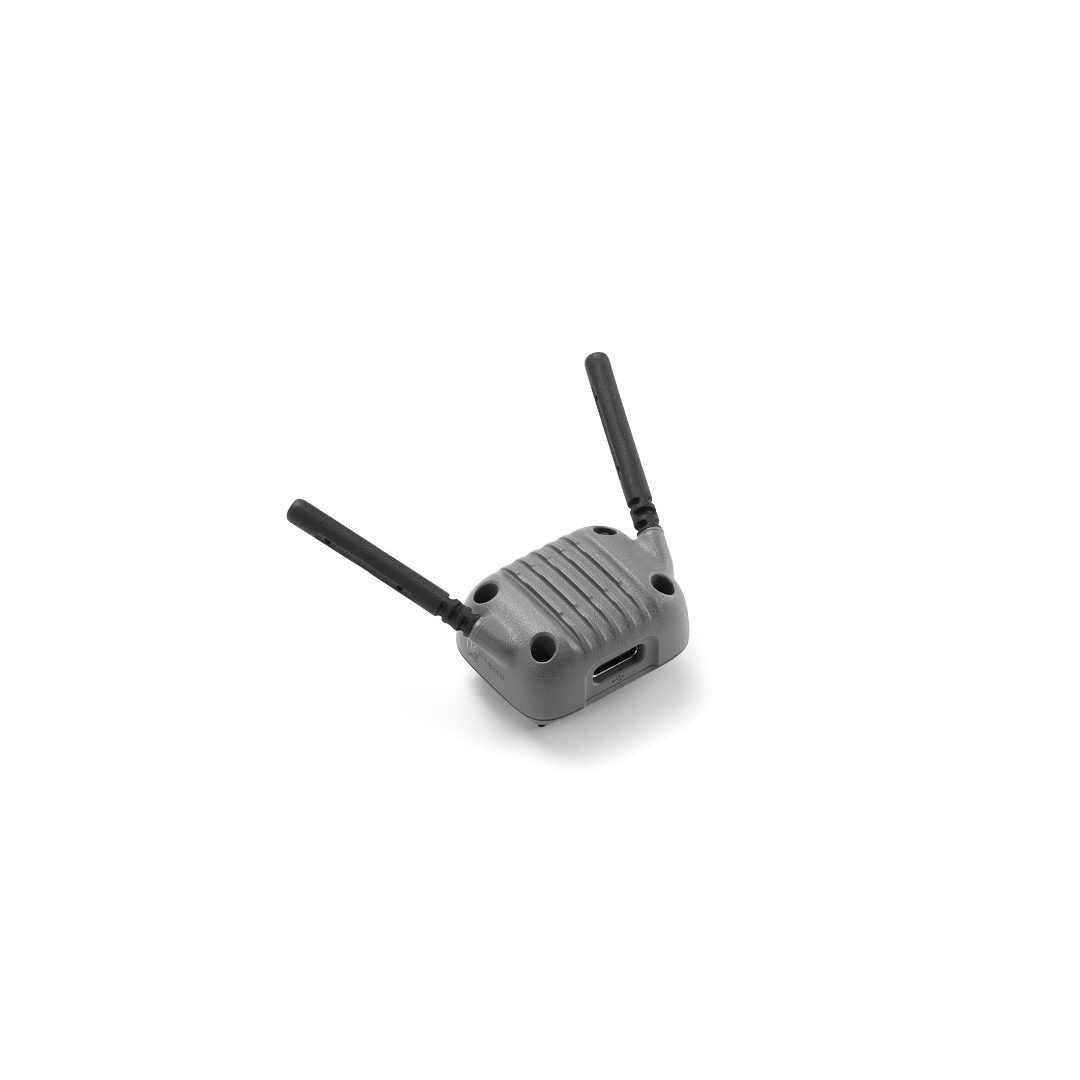
Yes, palm takeoff, gesture control and voice control all work without one, though the separate Digital Transceiver adds full controller-based flight for later.
Up to 19 minutes, enough for a proper Christmas morning flying session before a battery swap.
Start Your Child's Drone Journey With Drone Safe Store
A Drone Safe Store VIP Membership adds ongoing discounts across DJI drones, accessories, training and drone experience days, useful for a family likely to upgrade from a first drone to something more capable within a year or two. Yearly membership runs £29, or £49 as a one-time lifetime membership, both giving sitewide discounts and direct support from the team.